A Fistful of Dollars: The Italian Film That Reinvented the Western

When a man with .45 meets a man with a rifle, you said, the man with a pistol’s a dead man. Let’s see if that’s true.
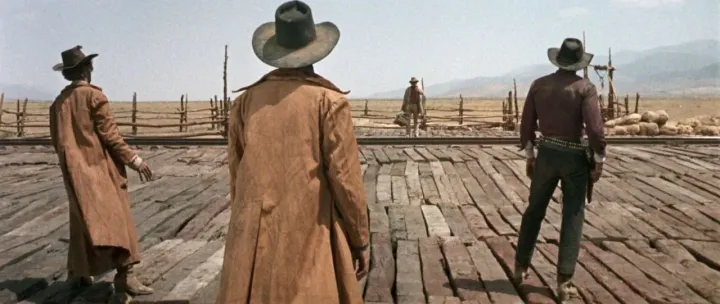
By the 1960s, the Western was becoming a tired genre. In 1964, an Italian director, Sergio Leone (The Good, the Bad, and the Ugly, Once Upon a Time in the West) set out to change the genre. And, to some degree, he did. A Fistful of Dollars was different than the classic Westerns: it was darker, grittier, and more morally gray. Revisionist Westerns had been produced in America, but this is the first time a European Western got America’s attention and went on to be a worldwide success. It spawned a whole sub-genre, the “spaghetti Western” (named for its Italian roots), and it showed that it really was time to evolve the Western genre. The plot is clever (although it basically rips off Japanese filmmaker Akira Kurosawa’s 1961 film Yojimbo), the dialogue is as cool as any vintage movie ever was, and it introduced the world to Clint Eastwood as a leading man. There’s lots to love here.
The story opens with Clint Eastwood’s character, the Man with No Name (although he is sometimes called Joe), wandering into a small border town and immediately being accosted by one of the local gangs. He quickly discovers there are two competing gangs in town, and sells his services as a gunman to one of them. He then sells secrets about that gang to the other gang, and goes on like that, collecting money from both sides while they both think they’re taking advantage of him. Tensions quickly build toward an explosive show-down as both gangs fight for control of the town.
When a man’s got money in his pocket, he begins to appreciate peace.
The plot here is clever, both in its intricacies and its methods. The film is only one hour and 39 minutes, but it boasts a more complex plot than most other Westerns—even those much longer in length. The schemes that the lead character comes up with to accomplish his means are equally clever. The simplicity of the introduction does not reflect the rest of the film—there’s a lot going on here, even in the shorter runtime, and I was surprised by how well-thought-out the film was. This film borrows heavily (steals is actually a better word) from Yojimbo—so much so that director Kurosawa sued Leone and won 15% of the profits and distribution rights in Japan and a few other countries. He later said that he made more money off of this film than he did from his own.
The feel of the film is gruff, cool, and surprisingly modern. Director Leone bonded with Clint Eastwood in filming this and jokingly said that Eastwood has only two expressions: with hat and without hat. And there’s some truth to that—he’s got one squinty-eyed facial expression—but he still manages to be pretty dynamic in this role and bring a lot of life to an already vibrant script. Eastwood was far from their first choice of actor, having little experience and no leading roles at the time, but I can’t imagine anyone else doing as good a job with this. Leone’s style of extreme close-ups, tense stare-offs, and great gunfights has become a cliche today, but it was groundbreaking back then. This film is so in line with what I think Westerns should be that it’s hard to remember how different it was when it came out.
Should I Watch A Fistful of Dollars?
A Fistful of Dollars is a great hidden gem that introduces Eastwood’s character from the much more famous sequel film, The Good, the Bad, and the Ugly. This is a great Western and a great film that holds up very well today, even as other Westerns of this era do not. If the classic John Wayne Westerns have never really appealed to you, this may be the cure. Even some of the best-made Westerns today can learn something from this one’s excellent use of plot, clever devices, and a simple but undeniable coolness that was often imitated but rarely matched.
Movies Like A Fistful of Dollars
- For a Few Dollars More, The Good, the Bad, and the Ugly, and Once Upon a Time in the West - Sergio Leone went on to direct a lot of Westerns, and many of them are good. The Good, the Bad, and the Ugly is probably my favorite Western.
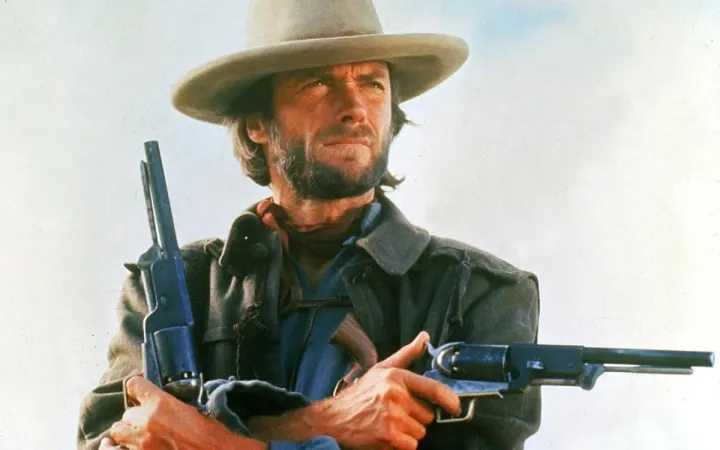
- The Outlaw Josey Wales (1976) - This film isn’t as stylized as Leone’s Westerns, but it similarly rejects the old classic Western formula of spotless heroes and evil villains in favor of a morally grey plot and complex characters. Josey Wales uses the American Civil War to make a comment on war in general, and specifically the Vietnam War. If you’re looking for another Western that blurs the lines between heroes and villains, though, this is a fit.
- Butch Cassidy and the Sundance Kid (1969) - Titular characters Butch Cassidy and the Sundance Kid are cowboys ride out the end of the cowboy era. Comedy masks a few dark undertones, but the overall tone is light and fun. Where it’s similar to A Fistful of Dollars is in its departure from the classic Western formula. Though likable, the two protagonists are on the wrong side of the law, and there are no villains so much as antaognists.
- Runtime: 1:39
- Director: Sergio Leone
- Year: 1964
- Genres: western
- Rating: R
About Brandon
My name is Brandon, and I love movies. Not bad ones, though—just the good ones. I’m curating and reviewing a list of classic, essential-viewing, or just plain good movies from all decades, and I've been reviewing them since 2016. I also co-host Peculiar Picture Show, a podcast about movies and mental health and write about Dungeons & Dragons options, builds, and optimization.
More in Sergio Leone

Once Upon a Time in America: A Sprawling American Immigrant Story
1984
crime, drama, epic
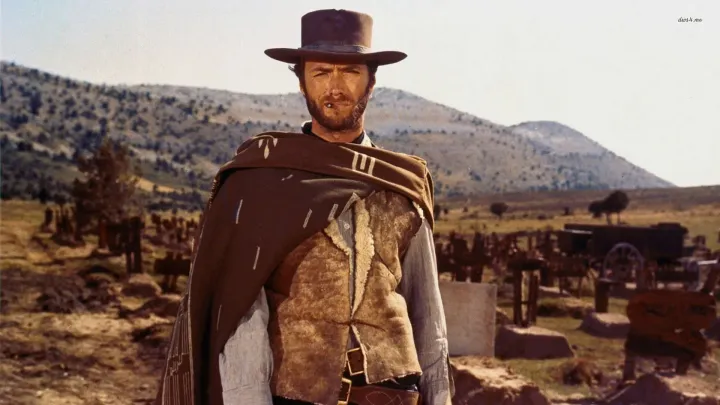
The Good, the Bad, and the Ugly: The Greatest Western Was Made in Italy??
1966
epic, western
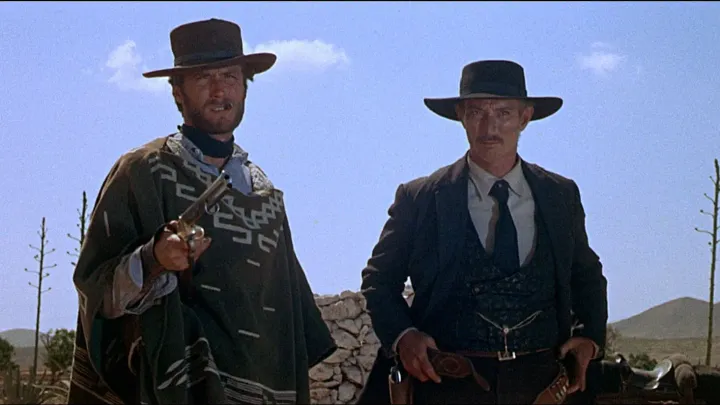
For a Few Dollars More: Leone Gives Us Another Stylish Western
1965
western
More in 1960s
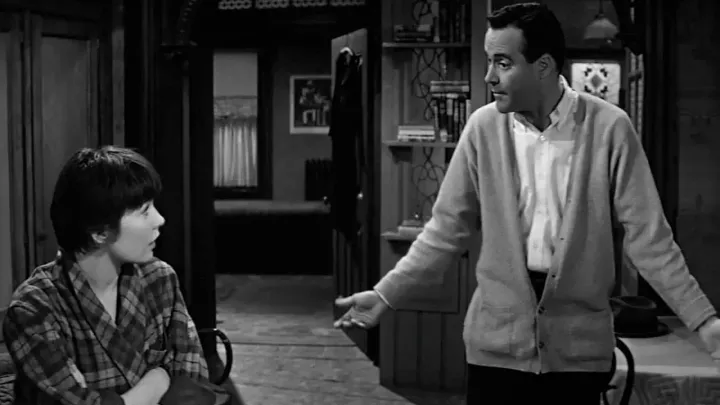
The Apartment: A Classic Romantic Comedy Balancing Humor and Depression
1960
comedy, drama, romance
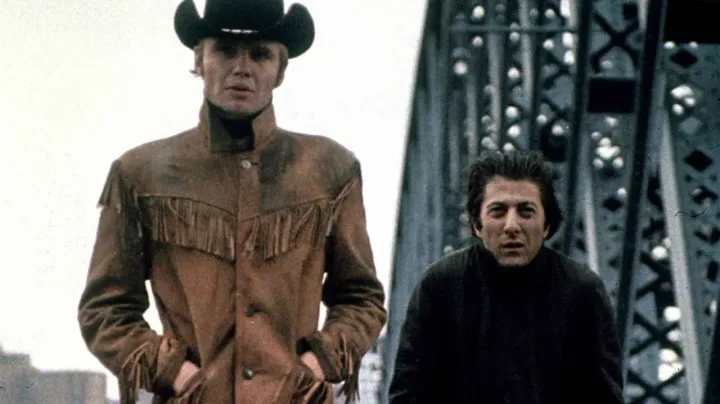
Midnight Cowboy: The Big City Destroys Big Dreams
1969
drama
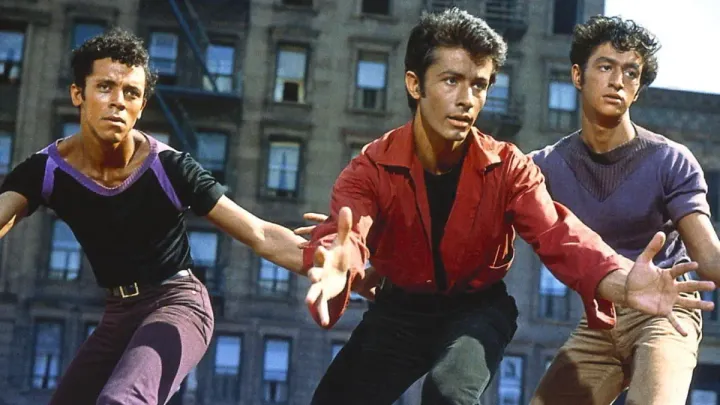
West Side Story: The Darkest Version of Romeo and Juliet Yet
1961
musical, romance