Blade Runner: Mortality and the Machine

The light that burns twice as bright burns half as long.
Blade Runner is an iconic 1982 sci-fi film directed by Ridley Scott (Alien, Gladiator) and starring Harrison Ford. It walks a fine line between hard sci-fi and mainstream cinema, managing to keep the best parts of each: it poses some interesting moral and philosophical questions without overdoing it or sacrificing the plot for its message. If you’re not looking for the deeper questions, this is perfectly viable as a straight sci-fi detective story, but those questions are the most interesting part of the movie. It brings to mind a question from a character in Mass Effect, another sci-fi series that was likely influenced by Blade Runner: “Does this unit have a soul?”
(Also note, the original ending to the movie was somewhat controversial for pandering to those looking for a neat, happy ending to a very ambiguous story. This was likely a studio request made post-production. Ridley Scott later re-released his original vision for the ending as the Director’s Cut, which I believe is much better. I recommend watching that one, as it’s hinted at more throughout the movie than the Hollywood ending in the original.)
Blade Runner is set in a dark, futuristic 2019 where synthetic humans called replicants were created and used as slave labor on new settlement worlds until they revolted. Now, replicants without a tight leash are hunted by blade runners, law enforcement officials who kill rogue replicants. The plot follows Rick Deckard, a retired blade runner hunting a group of replicants who returned to earth for unknown reasons. It begins as a simple detective story, but as facts about the replicants are uncovered, we find that the story and it characters are not so black and white.
I thought you were supposed to be good. Aren’t you the “good” man?
The replicants are virtually indistinguishable from humans, and the only way to identify one (without dissecting it) is to gauge its underdeveloped emotional response to emotional situations. To keep replicants from developing “adult” emotions and becoming undetectable, they were given a four-year lifespan. So the replicants Deckard hunts down are all highly intelligent virtual humans with the emotional capacity of children, dealing with the heavy weight of their own mortality. We’re told the replicants don’t have real emotions, but we see them fear and hate and love; we’re told they’re not human, but they act more human than many of the non-replicant characters. Toward the end of the movie, I realized that I may have been wrong in rooting for the good guys—if there are any “good guys” in Blade Runner.
I want to address a controversial scene in the film, because it’s relevant to the film’s themes. One of the replicant characters, Rachael, is questioned by Deckard in his apartment, but things escalate when Rachael tries to leave. Deckard slams his hand on the wall in front of her to block her, and the scene feels very rape-y. Many older films casually portray rape and sexual coercion, so I initially dismissed this as a scene that didn’t age well, but after reflecting on it, I don’t think that’s the case. Rachael is a replicant, so the central idea here is questioning whether Rachael has the same rights and protections as a human woman. If we condemn Deckard’s treatment of Rachael, it proves that these units do indeed have souls and can be psychologically hurt as humans can.
In the end, almost every major character is a sympathetic one, and there are no clearly-defined lines between good and evil. I truly felt bad for the replicants, even while shaking my head at their actions, although we also see enough of their creators and hunters to know that they’re clearly not evil people either. Blade Runner is very intentional about being descriptive without being prescriptive—it doesn’t tell you how you should feel about everything. The open-to-interpretation ending can sometimes be an unfulfilling cop-out, but it totally works here and sparks thoughtful conversations even 35 years later.
Should I Watch Blade Runner?
Blade Runner is great sci-fi, but it’s not for everyone. The plot, while far from boring, moves much more slowly than the typical Hollywood sci-fi films like Total Recall and Alien. The Director’s Cut ending does not neatly wrap everything up and takes some thinking to unpack. But for those willing to think a bit after the movie, Blade Runner is a very rewarding cinematic experience. It’s also pretty much essential for any sci-fi fans. Give it a shot if you like sci-fi or lightly philosophical films.
Movies Like Blade Runner
- Ghost in the Shell (1995) - This cyberpunk sci-fi anime classic has stood the test of time, and the animation and script are geared toward adults, not kids. It has philosophical themes and deals with artificial intelligence and identity, making it a great companion to Blade Runner. Don’t bother with the American live-action remake, though.
- Ex Machina (2014) - A great science-fiction conundrum about artificial intelligence, asking many of the same questions that Blade Runner does. The cyberpunk thriller vibe is not here—this is slower, more methodical, and firmly set in the present—but if you want to think about the ethics of AI and when we start to treat it as we do a human, this is a great film.
- Her (2013) - Though romantic comedy is a far departure from dystopian thriller, this film deals with the emotional side of an AI approaching human intelligence. If an AI can think like a human, can it feel like a human? How would a human/AI relationship differ from a purely human one—or would it be similar? These are all ideas that are explored in Her.
Academy Awards
Nominations: Best Art Direction-Set Decoration (Lawrence G. Paull, David L. Snyder, Linda DeScenna), Best Effects, Visual Effects (Douglas Trumbull, Richard Yuricich, David Dryer)
- Runtime: 2:02
- Director: Ridley Scott
- Year: 1982
- Genres: sci-fi
- Rating: R

About Brandon
My name is Brandon, and I love movies. Not bad ones, though—just the good ones. I’m curating and reviewing a list of classic, essential-viewing, or just plain good movies from all decades, and I've been reviewing them since 2016. I also co-host Peculiar Picture Show, a podcast about movies and mental health and write about Dungeons & Dragons options, builds, and optimization.
More in Ridley Scott

Gladiator: An Epic Political Revenge Tale
2000
action, epic, historical
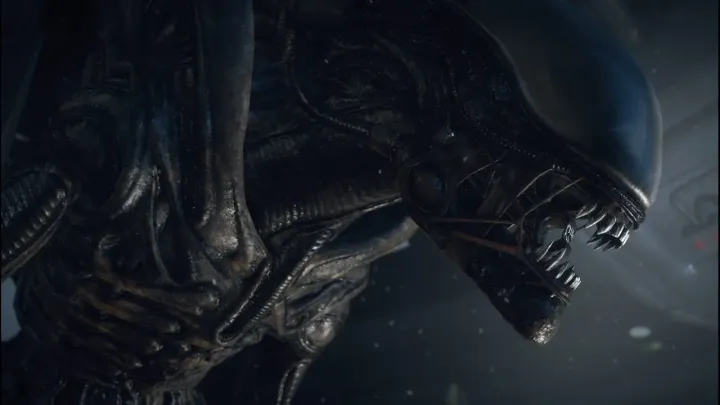
Alien: Thrills and Kills in Space
1979
horror, sci-fi, thriller
More in 1980s
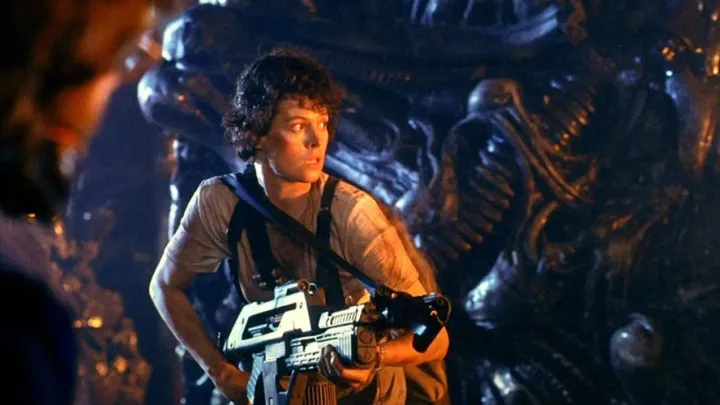
1986
action, sci-fi, thriller

Rain Man: A Touching, If Incomplete, Portrayal of Autism
1988
drama

A Christmas Story: Christmas Nostalgia for All Ages
1983
Christmas, comedy
More in sci-fi
Alien: Thrills and Kills in Space
1979
horror, sci-fi, thriller

Terminator 2: Judgment Day: A Smart Sci-Fi Action Film
1991
action, sci-fi
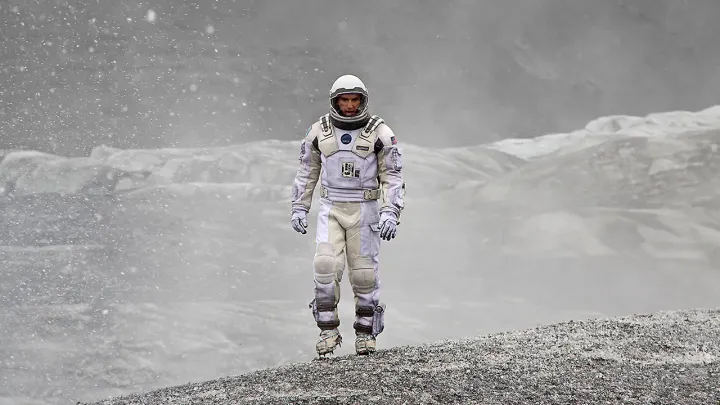
Interstellar: A Modern Take on Classic Sci-Fi
2014
sci-fi