Breakfast at Tiffany’s: The Darkness Beneath the Glamour
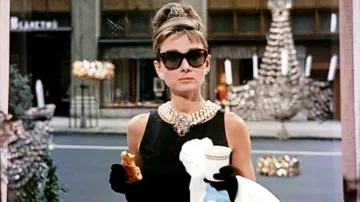
It’s better to look at the sky than live there. Such an empty place; so vague. Just a country where the thunder goes and things disappear.
Have you ever seen something that seemed to say one thing at first glance, but upon further inspection actually says the exact opposite? I think Breakfast at Tiffany’s fits that pattern. Directed by Blake Edwards (The Party, The Pink Panther) and starring Audrey Hepburn and George Peppard, this film is often lifted up as a fun example of 60s style and culture—particularly Hepburn’s character Holly Golightly. But dig a little deeper and there’s a darkness just underneath the surface that takes a hard look at the cultural revolution of the 60s—why it existed and where it was going. This is fun to watch whether you understand the cultural context or not, but understanding it opens up a whole new plane of understanding for the film.
I’ll go ahead and get this out of the way: there is a very racist portrayal of a Japanese man by white guy Mickey Rooney. It’s like they told him to act Japanese, but he had never met anyone Japanese and had to learn everything through racist World War II propaganda cartoons. It’s every negative Japanese stereotype you can think of acted out by a white guy who’s squinting. There’s really no reason for this other than the director thought it was hilarious. Yes, it’s the product of a different time, but it’s a bit uncomfortable to watch today.
The plot follows Holly Golightly, a beautiful, free-spirited socialite trying to survive in New York City. She can’t afford the lifestyle she wants, so it’s strongly implied that she’s selling her company (and body) to rich men she meets there. She meets a new neighbor: Paul Varjak, a writer who is also struggling to make ends meet and has also turned to casual prostitution. They form a connection, and Holly struggles with the decision to pursue love with Paul or stability with a rich suitor.
I’m like cat here—a no-name slob. We belong to nobody, and nobody belongs to us. We don’t even belong to each other.
Holly Golightly has become an icon of 1960s culture, and rightly so—she’s supposed to embody that emerging culture. She’s one of the ultimate examples of that carefree Bohemian lifestyle that took root in the 50s and bloomed in the 60s. But, even with all of Hepburn’s undeniable charm, we are not supposed to like Holly throughout the entire movie. We’re meant to see how unsustainable and difficult that life is, and the movie makes little effort to hide the kind of person Holly is becoming to support that life. Paul represents that culture too, as a fledgling writer who wants to continue with his art but is forced to make questionable choices to do that. This isn’t exactly an indictment on that cultural movement, but it attempts to show that it does come at a cost.
Now, all of that said, Breakfast at Tiffany’s is still a lot of fun—in fact, that’s probably the feeling you get from most of the movie. Hepburn’s performance shows as much charm and charisma as any of her others (this is considered by many to be her best), and the interactions between her and Peppard are perfect for the movie. Scenes like the party and the scene in the store are delightful to watch and really capture the fun spirit of the 60s. Even if you miss all of the social commentary going on, there’s enough exuberance and style in this movie to keep it enjoyable and engaging.
Should I Watch Breakfast at Tiffany’s?
Breakfast at Tiffany’s is a deeply insightful look at 60s culture wrapped up in a fun movie oozing with vintage charm. It’s entertaining on one level and thought-provoking on another, and the film switches between the two seamlessly. I think most people will find something to like here. This is an undeniable classic that belongs on the watch list of any cinema fan.
Movies Like Breakfast at Tiffany’s
- The Graduate (1967) - What starts as a romantic comedy about a recent college grad who doesn’t know what to do with his life ends up making a pretty stark comment on the cultural shift of the 1960s, with the darker themes beneath the surface asking the same questions that Breakfast at Tiffany’s does. It lacks the style and elegance that Audrey Hepburn lends the film, but if you want to dig into the culture of the 60s, this is a similar film.
- Roman Holiday (1953) - If you want the elegant style of Audrey Hepburn at her finest, her debut film, Roman Holiday, is a great film to watch. It’s classic in every way: romantic, funny, beautiful, and emotional without being sappy. There’s no social commentary, but the story is beautiful, and it balances the sweet with bittersweet to keep it interesting.
- The Great Gatsby (1974) - An adaptation of the classic American novel, The Great Gatsby has rich, glamorous people living empty lives, showing us that money and class can’t buy happiness or meaning. While Holly in Breakfast at Tiffany’s knows her life is empty, the characters in The Great Gatsby never grasp this and have no hope of overcoming it. Oozing with classic style, this is another great film that scratches the same itch as Breakfast at Tiffany’s.
Academy Awards
Winner: Best Music
Nominee: Best Actress, Best Adapted Screenplay, Best Set Design
- Runtime: 1:55
- Director: Blake Edwards
- Year: 1961
- Genres: comedy, romance
- Rating: NR

About Brandon
My name is Brandon, and I love movies. Not bad ones, though—just the good ones. I’m curating and reviewing a list of classic, essential-viewing, or just plain good movies from all decades, and I've been reviewing them since 2016. I also co-host Peculiar Picture Show, a podcast about movies and mental health and write about Dungeons & Dragons options, builds, and optimization.
More in 1960s
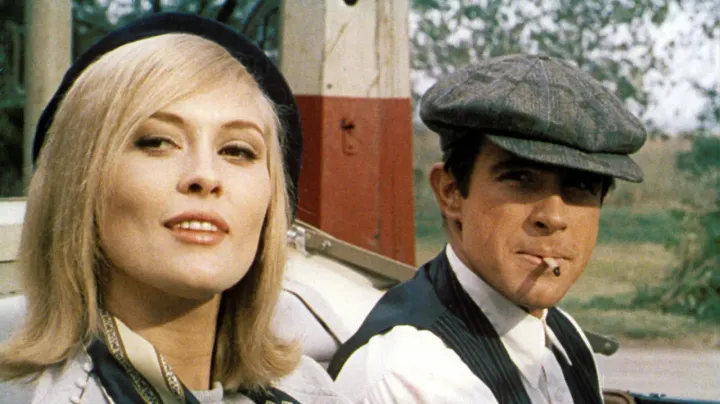
Bonnie and Clyde: Outlaws Outgrow Their Fame
1967
crime
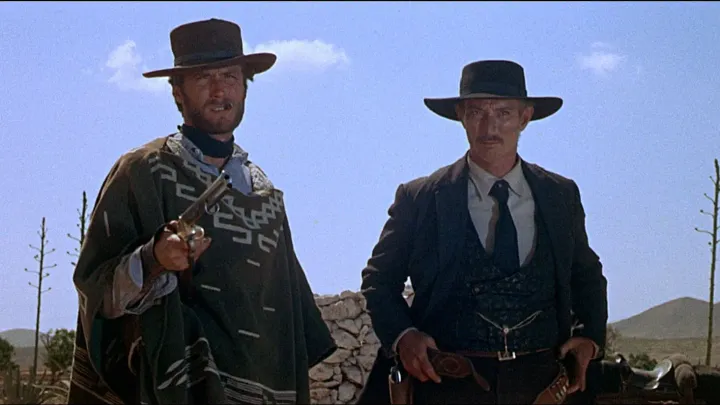
For a Few Dollars More: Leone Gives Us Another Stylish Western
1965
western

It’s a Mad Mad Mad Mad World: The Godfather of Comedy
1963
adventure, comedy, epic
More in comedy
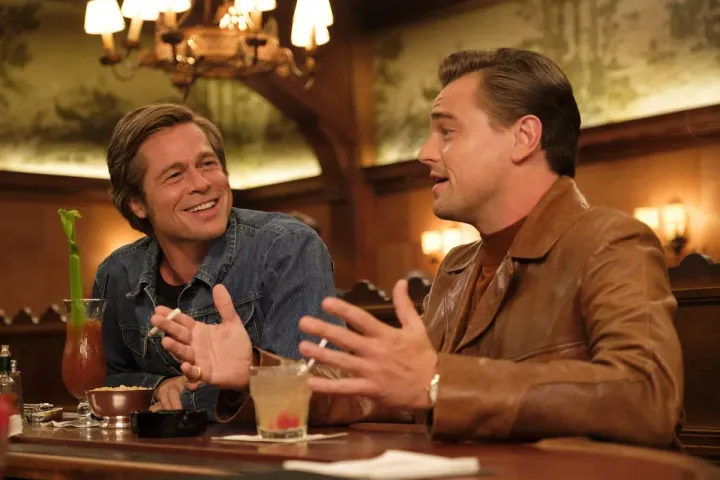
Once Upon a Time in Hollywood: Tarantino Redeems the Innocence of His Childhood
2019
comedy, drama
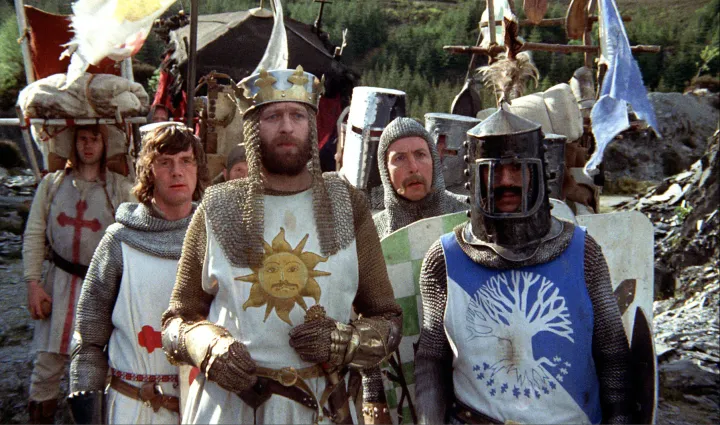
Monty Python and the Holy Grail: Making European Legends Silly
1975
comedy
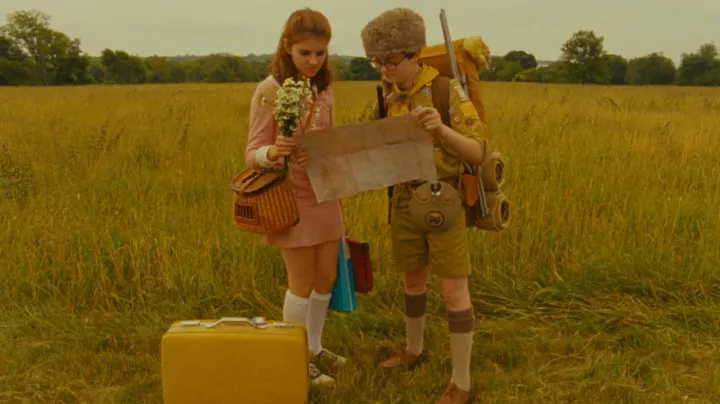
Moonrise Kingdom: A Stylized Portrayal of Young Love
2012
adventure, comedy, drama, romance
More in romance

Amélie: Love, Loneliness, and a Lot of Charm
2001
adventure, romance
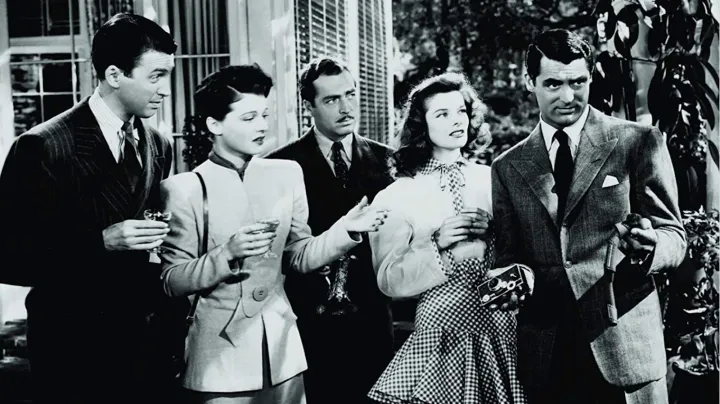
The Philadelphia Story: Humanizing a Woman’s Drive for Perfection
1940
comedy, drama, romance

PK: A Fun Film About Religious Harmony
2014
comedy, romance