Colossal: A Clever Metaphor for Power, Abuse, and Recovery
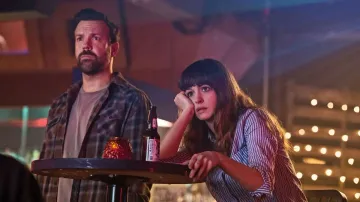
Have you ever noticed how it just keeps destroying everything in its path but it never looks down?
Mark Twain once said, “If you send a damned fool to St. Louis, and you don’t tell them he’s a damned fool, they’ll never find out.” Now, Mark Twain clearly had something against St. Louis, but that’s not my point. My point is that if you’re ignorant about something and you live in a place where nobody is going to point that out to you, you’re likely to remain ignorant about that your entire life. I lived in small-town Florida for most of my adolescent and young adult life, and let me tell you: in those towns, it is very hard to come by people who will challenge you to think outside of the microcosm of small towns in America.
Colossal, written and directed by Nacho Vigalondo (Timecrimes, Extraterrestrial) and starring Anne Hathaway and Jason Sudeikis, is a high-concept film with a lot to say about life in a small town. It’s very metaphorical, but it’s hard to pin down exactly what it’s trying to say. That’s not a bad thing, because it has a lot to say and it will probably speak differently to different people. It’s kind of a dark comedy, kind of a story of redemption, and kind of a giant monster movie (in a literal sense). It got some bad reviews from people who likely missed the points it was trying to make and saw it as an ill-conceived monster movie, but there’s a lot here for people who are willing to dig into the film a bit more.
The story follows Gloria, an unemployed alcoholic living in a big city, as her boyfriend (whom she lives with) gets sick of her substance abuse and kicks her out of his apartment. Distraught, she moves back to her small hometown to try to pull her life back together. She immediately connects with Oscar, an old friend from school who owns a local bar. As Gloria continues to get drunk and mess things up, a giant monster appears in Seoul, South Korea and destroys a few things in its path before fading away. The monster keeps reappearing and Gloria discovers that she is tied to the monster, somehow controlling its actions without even realizing it. Gloria soon has to come to grips with her part in destroying part of a city on the other side of the world.
My life is just as amazing as yours now, so fuck you!
Colossal is a metaphor (and, honestly, without viewing it as a metaphor, it’s hard to appreciate), but it’s really amazing how much it conveys. At first, I thought it was going to be a metaphor about alcoholism and recovery, but that’s only a small part of it. I saw it primarily covering two things: abuse and American politics, all relating to small towns. Anyone who’s survived a long-term abusive relationship will recognize many of the behaviors displayed by Oscar, but also insightful were the ways Oscar’s male friends quietly sat back and let it happen, touching on the culture of toxic masculinity as well. And the idea that someone in a small American town controls a giant monster that can hurt people on the other side of the world is a great metaphor for some of the apathy in modern American politics. This isn’t just a story about discovering that you are the monster—it poses the question of what you do once you do realize it. There are a lot of great things to ponder here, especially for Americans, but just about anyone will be able to glean something from this.
The film itself is not so high-concept that it’s impossible to follow or attach to. It’s light and funny in many places, and seeing Gloria grow throughout the movie is empowering. If you go into it knowing that it’s a metaphor for abuse and politics, I don’t think you’ll have trouble seeing what it has to say about those things. That said, this does still work as a fantastic and somewhat absurd story about a woman struggling to get better, albeit not as brilliantly. This is not one of those films that’s brilliant but not entertaining—I had fun watching it and wouldn’t hesitate to watch it again.
Should I Watch Colossal?
Colossal is a brilliant metaphor and entertaining to boot. It’s not for everybody, and it’s unfortunate that the real message here will fly over the head of many viewers. But for those willing to open their minds and think a bit about what the film is trying to convey, they’ll be rewarded with a thought-provoking film that’s ultimately about empathy, empowerment, and redemption.
Movies Like Colossal
This is a tough one, because Colossal isn’t a movie about a giant monster; it’s a movie about addiction and abuse. Beyond that, it’s a comedy. That’s a tough mix. There’s nothing that’s quite like it, but these movies get close.
- Smashed (2012) - When a woman who’s built her life—and marriage—around being drunk chooses to be sober, she finds herself making some hard decisions over which parts of her old life she can keep. With Colossal, the monster is outside, and we see it terrorizing others; in Smashed, the monster remains inside, and we see only glimpses of it as awkward and tragic situations get painfully real. If you want another quirky movie with comedic elements (it’s not quite a comedy) that gets real on addiction, Smashed might be what you’re looking for.
- Young Adult (2011) - Like Colossal, Young Adult is a dark comedy about a woman hitting rock bottom and reclaiming agency—and the rest of her life. She’s not a great learner, however, and it takes several failures before she works on getting better. While Colossal is vulnerable and offers some hope, Young Adult is synical to the point of being caustic, and that failure to learn becomes the main source of comedy. A good companion to Colossal, although not as recovery-focused.
- The Babadook (2014) - Much like Gloria’s inner demons in Colossal turn into a monster, Amelia’s inner demons in The Babadook (namely guilt and grief) become a monster for her. In both, the transition from the feelings they repress to a monster they can’t ignore is a metaphor for recovery. The Babadook is a more serious affair than Colossal, with horror elements and an ending that seems more like a trauma exorcism than a redemption, but both films set their protagonists on the right path.
- Runtime: 1:49
- Director: Nacho Vigalondo
- Year: 1916
- Genres: comedy, drama, indie
- Rating: R

About Brandon
My name is Brandon, and I love movies. Not bad ones, though—just the good ones. I’m curating and reviewing a list of classic, essential-viewing, or just plain good movies from all decades, and I've been reviewing them since 2016. I also co-host Peculiar Picture Show, a podcast about movies and mental health and write about Dungeons & Dragons options, builds, and optimization.
More in 2010s
Once Upon a Time in Hollywood: Tarantino Redeems the Innocence of His Childhood
2019
comedy, drama

Guardians of the Galaxy: A True Underdog Story
2014
comedy, superhero

Parasite: Class Warfare and Inequality in South Korea
2019
drama, thriller
More in comedy
Annie Hall: Intelligence and Love Don’t Always Mix
1977
comedy, romance
The Blues Brothers: Getting the Band Back Together
1980
adventure, comedy, music, musical

Who Framed Roger Rabbit: The Wackiest Film Noir of All Time
1988
animated, comedy, film noir, mystery
More in drama
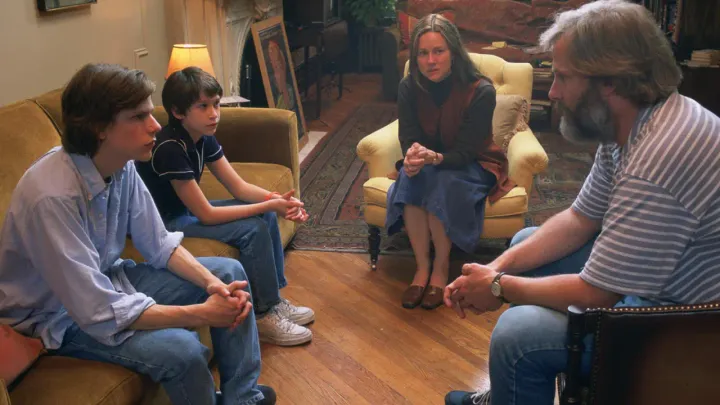
The Squid and the Whale: An Emotionally Brutal Divorce Story
2005
drama, indie
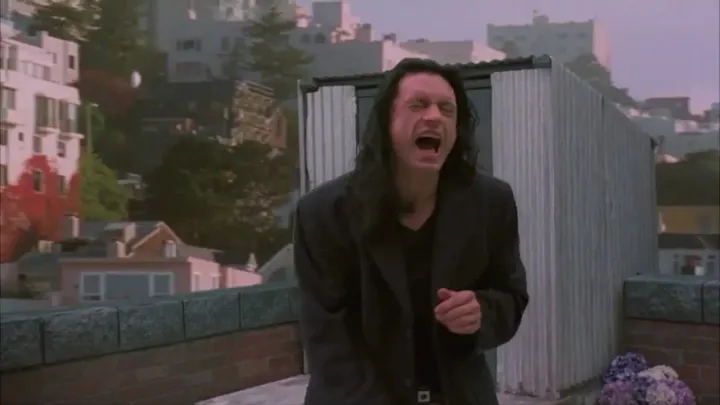
The Room: The Citizen Kane of Bad Movies
2003
bad, drama, indie
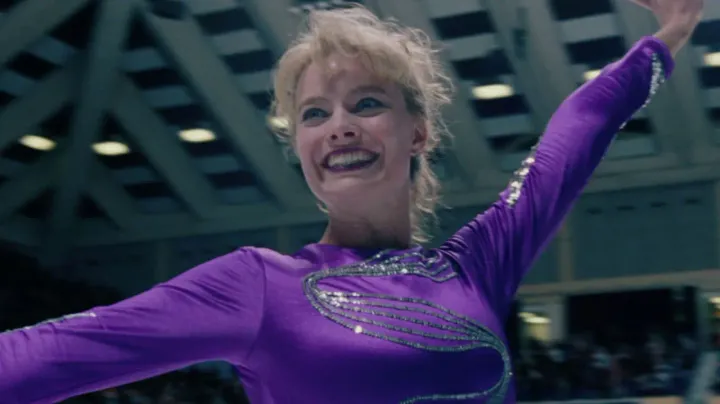
I, Tonya: Breaking the Knees of Boring Biopics
2017
biopic, comedy, drama, indie
More in indie
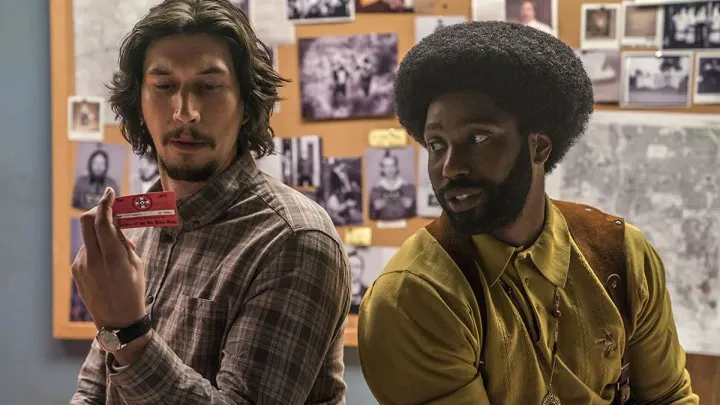
BlacKkKlansman: An Entertaining Look at Historical Racism in America
2018
biopic, comedy, crime, indie
American Hustle: Style, Scams, and Stellar Performances
2013
crime, drama, indie
The Rocky Horror Picture Show: A Celebration of Any Sexual Preference
1975
comedy, indie, LGBTQ, musical