High Noon: A Western About Duty, Not Gunfights
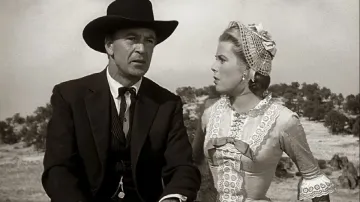
People gotta talk themselves into law and order before they do anything about it. Maybe because down deep, they don’t care. They just don’t care.
When you think of classic Westerns, several things jump to mind: epic gun fights, fast horse chases, and brave heroes with supernatural skills. High Noon, a 1952 Western directed by Fred Zinnemann (A Man for All Seasons, From Here to Eternity) and starring Gary Cooper and Grace Kelly, turns this formula on its head. It spends much more time pontificating and talking about morals than showing us gun fights and chases, and the heroes of the story are (rightly) scared out of their minds and would rather avoid the confrontation altogether. This film takes its time laying out why these characters are the way they are, and exactly what they’re thinking in this hard situation. It was so different that career cowboy and genre poster boy John Wayne said it was “the most un-American thing I’ve ever seen in my whole life.” In a 1971 interview, 19 years after the film was released, he was still complaining about it. (I oddly like most of the things John Wayne hates, so I had to see this film.) This isn’t exactly a fast-paced Western, and it’s definitely not a traditional classic Western, but the writing and acting in this were phenomenal and captivated me for the relatively short runtime (85 minutes).
The story opens with Will Kane marrying his long-time sweetheart Amy and stepping down from his role as the small town’s marshal to settle down. Just as he does this (and one day before the new marshal arrives), three outlaws wander into town and proceed to the train station, where they wait on another outlaw: Frank Miller, a man whom Will had put away for murder, but he’s since been released and is coming back for revenge. With the inevitable showdown less than two hours away, Will has to search the town to put together a posse to keep him and the town safe. This proves to be a much harder task than he had anticipated.
Don’t try to be a hero! You don’t have to be a hero, not for me!
Rather than try to be an exciting adventure, High Noon is more of an allegory on doing the right thing even when the world stands against you. When the news of the outlaws arrives, the townspeople urge Will and his new bride to run—and initially, they do, but Will quickly changes his mind as his sense of duty drives him to stay and protect the town, much to the dismay of his new wife, who is a pacifist. Each attempt to get help in dealing with this threat is met with failure, and people have good reasons for choosing not to help. Will grows increasingly more afraid as his prospects of help run out, and he even contemplates leaving and not telling anyone. This show of fear struck American audiences as particularly unlike the cowboys they were used to seeing in film, but I think it made him an even braver character. Which is a harder choice: staying and fighting when you know you’ll win or staying and fighting when you’re consumed with fear and almost certain you’ll lose?
This became a favorite film of several politicians for its unabashed look at how hard it can be to do the right thing when it’s not the popular thing. Initially, progressive politicians latched onto it as a metaphor speaking out against blacklisting in the McCarthy era, but conservative politicians latched onto it eventually too. Dwight Eisenhower hosted a screening at the White House. Ronald Reagan cited this as his all-time favorite film. Bill Clinton hosted a record 17 screenings at the White House and said of the film, “It’s no accident that politicians see themselves as Gary Cooper in High Noon. Not just politicians, but anyone who’s forced to go against the popular will. Any time you’re alone and you feel you’re not getting the support you need, Cooper’s Will Kane becomes the perfect metaphor.”
The writing in this film was brilliant. Though slow and methodical, the tension builds throughout this film and the last 15-20 minutes are masterful in the suspense they portray. The characters were also particularly well-done and the relationships between them were deep and meaningful. The dialogue, while still sounding very much like a classic Western, was well-written and natural for the characters. And it all culminated in a surprisingly emotional ending that was just perfect for the film. This was not a sweeping epic like many other Westerns—the plot plays out in real time for the 85-minute runtime—but this is a very tight plot that covers a lot of ground emotionally and shows us some pretty deep characters.
Should I Watch High Noon?
High Noon is a classic Western, but it feels completely unlike one, feeling much more like an allegorical drama that’s simply set in the old West. There’s almost no action until the very end of the film, and it’s the characters and the discussion of morality that really drive this film. It’s a great little classic that I only recently discovered and I really enjoyed the characters and ideas in the film.
Movies Like High Noon
- The Magnificent Seven – Though much more action-oriented than High Noon, this one deals with a lot of the same discussions of duty and morality and centers around protecting a small town even when a strong incentive is missing. This is one of the classics of the genre, but it wasn’t afraid to turn some of the traditions on their head like High Noon was.
- Unforgiven – This relatively modern Western also takes its time to tell its story and show us its characters, although the message and characters end up being considerably darker than High Noon. If you enjoyed the pacing, characterization, and subtle deconstruction of the genre, though, this is a great modern equivalent.
- 12 Angry Men – This isn’t a Western at all, but this classic legal drama is a brilliant discussion of morality and justice that continues many of the thoughts in High Noon. If you enjoyed the ethical and philosophical side of High Noon but don’t necessarily need another Western, check this one out.
Academy Awards
Winner: Best Actor, Best Film Editing, Best Music - Original Song (“High Noon (Do Not Forsake Me, Oh My Darlin’)”), Best Music - Original Score
Nominee: Best Picture, Best Director, Best Screenplay
- Runtime: 1:25
- Director: Fred Zinnemann
- Year: 1952
- Genres: drama, western
- Rating: PG
About Brandon
My name is Brandon, and I love movies. Not bad ones, though—just the good ones. I’m curating and reviewing a list of classic, essential-viewing, or just plain good movies from all decades, and I've been reviewing them since 2016. I also co-host Peculiar Picture Show, a podcast about movies and mental health and write about Dungeons & Dragons options, builds, and optimization.
More in 1950s
North by Northwest: The Iconic Classic Action Film
1959
action, mystery, thriller
The Day the Earth Stood Still: The Sci-Fi Warning for Post-War America
1951
sci-fi
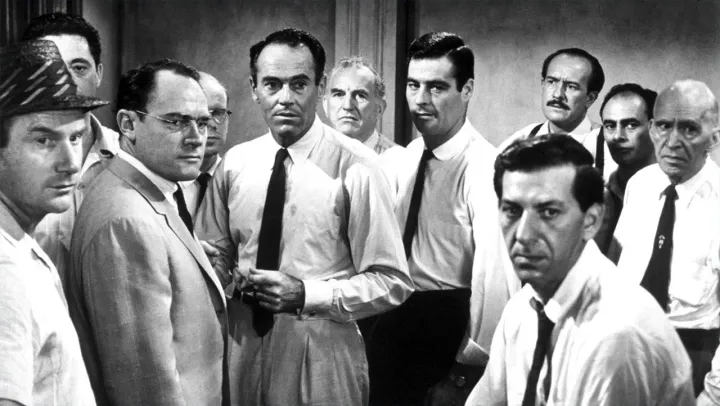
12 Angry Men: A Masterclass in Justice and Humanity
1957
drama
More in drama
12 Angry Men: A Masterclass in Justice and Humanity
1957
drama
Marriage Story: A Masterful, Heartbreaking Portrait of Divorce
2019
comedy, drama, indie
A Bronx Tale: A Coming-of-Age Crime Story
1993
crime, drama, romance, teen
More in western
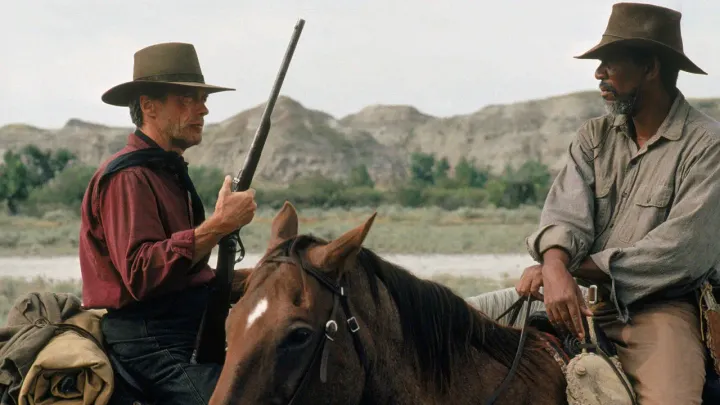
Unforgiven: The Dark Sequel to the Classic Western
1992
western
Butch Cassidy and the Sundance Kid: Sunset on the Classic Western
1969
biopic, western
Dances with Wolves: Adding Depth to Native Americans in Westerns
1990
adventure, drama, epic, historical, western