Little Miss Sunshine: Showing the Beauty of Imperfection
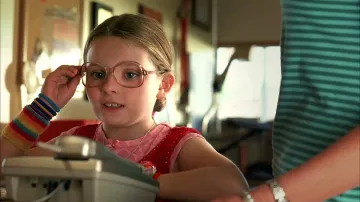
There are two kinds of people in this world: winners and losers.
In modern society, there’s a lot of emphasis placed on winning, while failing is an uncomfortable subject we don’t talk much about. That’s something Little Miss Sunshine tries to remedy. Directed by Jonathan Dayton and Valerie Faris (Ruby Sparks and many music videos) and starring Steve Carell, Toni Collette, and Greg Kinnear, this is a movie that says a lot about failure by talking about success. The point it makes is not heavy-handed or forced—in fact, it’s understated and quite entertaining. At its core, it’s a comedy with some dramatic elements that lets us know it’s alright to fall down from time to time.
The movie opens on a sad note as Sheryl picks up her brother Frank from the hospital after an unsuccessful suicide attempt. After getting him home to stay with her family, we find out Sheryl’s daughter Olive has unexpectedly been accepted to the Little Miss Sunshine beauty pageant—something she is wildly unprepared for, having only competed in one pageant before. The family sets off on a two-day road trip to get Olive to the pageant. Sheryl’s husband, Richard, is an aspiring motivational speaker whose anti-loser beliefs put him at odds with the entire family, so there’s plenty of tension along the way.
He gets down to the end of his life, and he looks back and decides that all those years he suffered—those were the best years of his life, ‘cause they made him who he was. All those years he was happy? You know, total waste. Didn’t learn a thing.
The movie is at times gravely serious, but still frequently hilarious. The humor stems from a blatant rejection of irresponsible optimism and an overreaching positive psychology that Richard is trying (unsuccessfully) to sell. The correlation (or lack thereof) between success and happiness seems to be the crux of the film. Much like the movie’s Frank Ginsberg, I have some pretty severe depression, so I’ve made the same realization he did shortly before the events of the film: success is no guarantee of happiness. Each of the main characters ultimately has to learn to be happy whether they get what they want or not, and each of them has to confront their own failure and learn how to embrace it.
The core message of the movie is that success won’t make you happy, and that there’s value to be found in embracing your failures as well. As such, it’s a little depressing and a little uplifting. The movie portrays this as a progression: the movie starts on a down note, but the ending is very uplifting (and hilarious) as the characters realize this quandary. The subject matter and tension are a bit heavy at first, but you will walk away from the movie feeling much better.
Should I Watch Little Miss Sunshine?
Little Miss Sunshine is great fun for those who have realized that life simply can’t be happy all of the time. The humor has a dark undertone, but it’s one that I found very endearing, and the core message is very positive. The ending is also the best possible way to wrap up this problem that I can think of. This movie takes typical Hollywood optimism and turns it on its head, and that’s something I consider a smashing success.
Movies Like Little Miss Sunshine
- The Royal Tenenbaums (2001) – This film captures some of the quirky humor as well as the central message of Little Miss Sunshine: it’s alright to not be perfect. It tells the story of an estranged family that learns to be vulnerable with each other as they finally grow to trust each other after years of being guarded, and it features an ending that really brings this message home.
- Good Will Hunting (1997) – Though considerably more serious than Little Miss Sunshine, this deals with some of the same themes: questions of not being good enough, lessons learned from pain, and moving on from the hurts of our past. Good Will Hunting is a great drama that addresses these themes in young adulthood rather than in a family setting.
- The Apartment (1960) – This classic film gives us a surprisingly modern depiction of a depressed character, and has a great balance of comedy and drama, much like Little Miss Sunshine. It’s stylistically quite different, but I liked it for many of the same reasons that I liked Little Miss Sunshine.
Academy Awards
Winner: Best Supporting Actor (Alan Arkin)
Nominee: Best Picture, Best Supporting Actress (Abigail Breslin), Best Original Screenplay
- Runtime: 1:41
- Director: Jonathan Dayton, Valerie Faris
- Year: 2006
- Genres: comedy, drama, indie, LGBTQ
- Rating: R

About Brandon
My name is Brandon, and I love movies. Not bad ones, though—just the good ones. I’m curating and reviewing a list of classic, essential-viewing, or just plain good movies from all decades, and I've been reviewing them since 2016. I also co-host Peculiar Picture Show, a podcast about movies and mental health and write about Dungeons & Dragons options, builds, and optimization.
More in 2000s
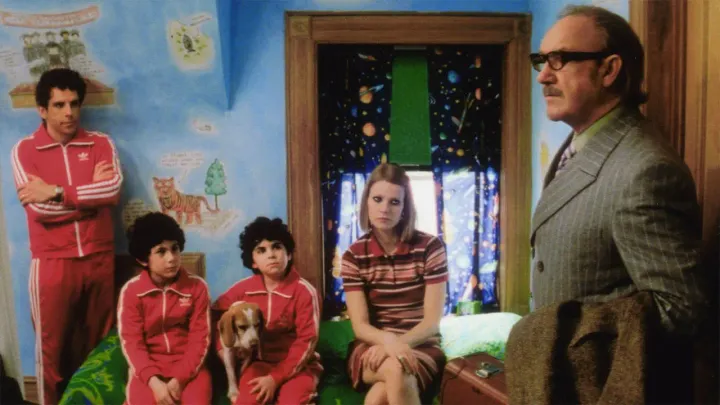
The Royal Tenenbaums: A Charming but Dysfunctional Family Comes Together
2001
comedy
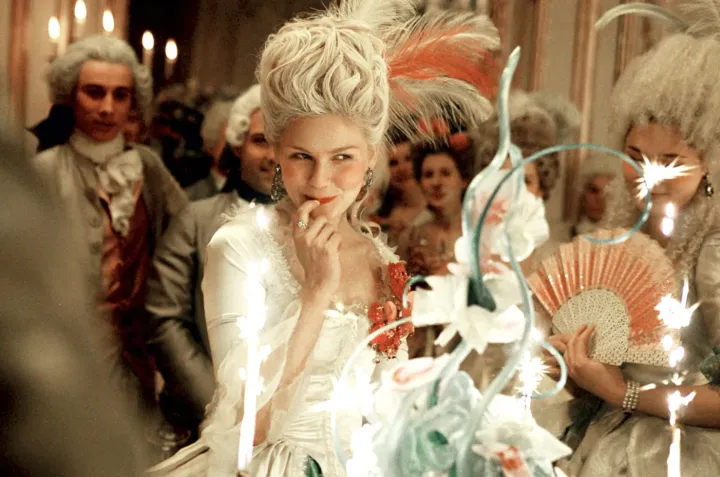
Marie Antoinette: An Emotionally Rich Look at a Relatable Historical Queen
2006
biopic, drama, historical, indie
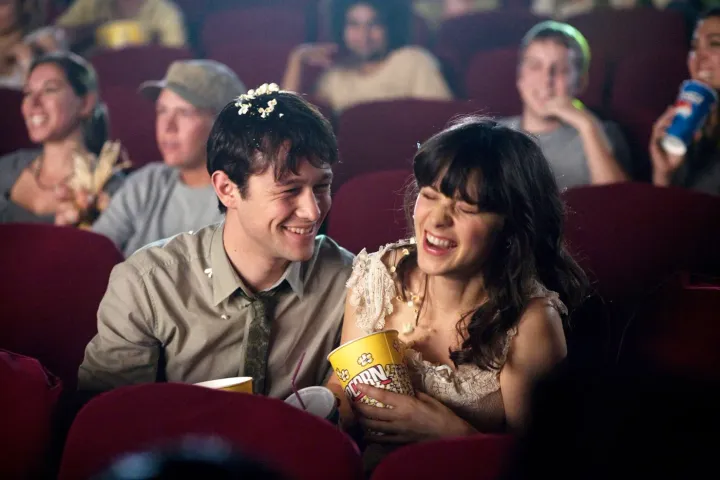
500 Days of Summer: Turning Romance Upside Down
2009
comedy, indie, romance
More in comedy
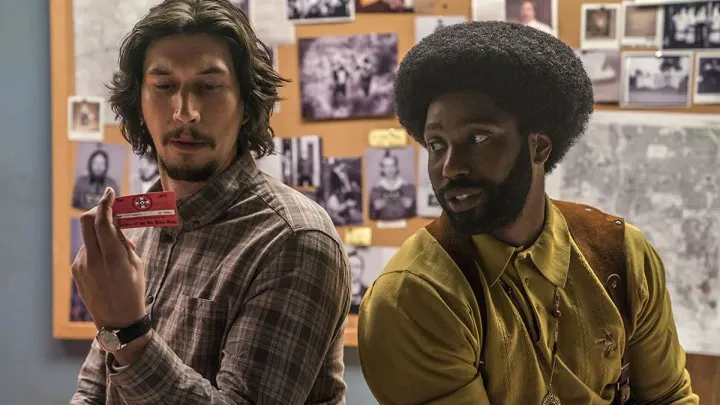
BlacKkKlansman: An Entertaining Look at Historical Racism in America
2018
biopic, comedy, crime, indie
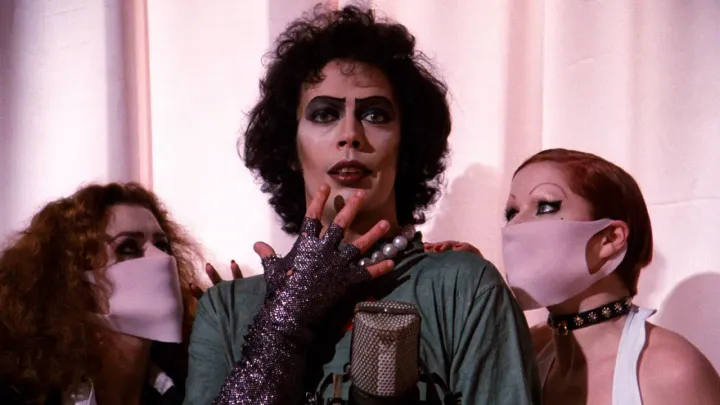
The Rocky Horror Picture Show: A Celebration of Any Sexual Preference
1975
comedy, indie, LGBTQ, musical
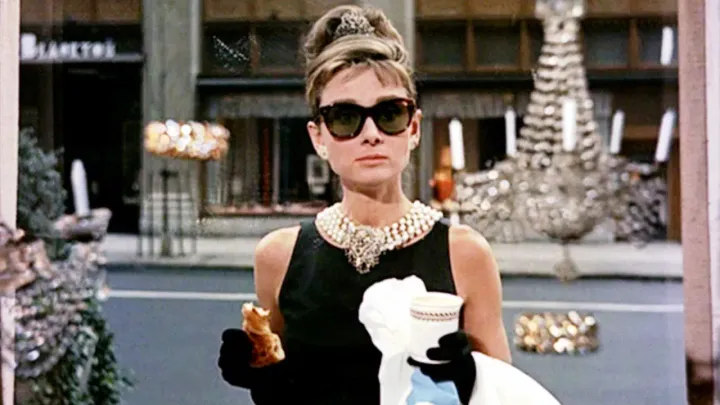
Breakfast at Tiffany’s: The Darkness Beneath the Glamour
1961
comedy, romance
More in drama
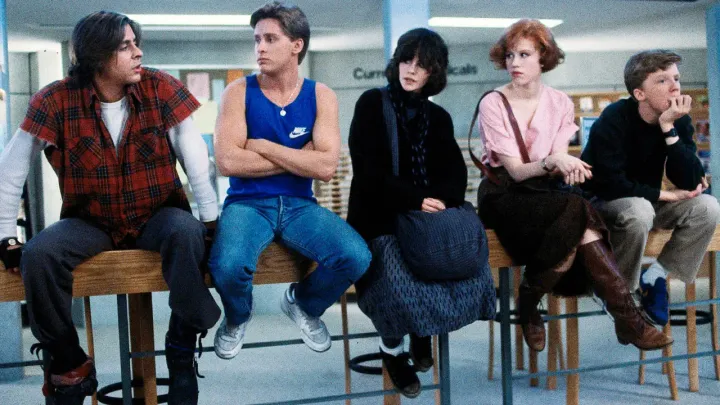
The Breakfast Club: Teens United Under the Tyranny of Adults
1985
comedy, drama, teen
Marie Antoinette: An Emotionally Rich Look at a Relatable Historical Queen
2006
biopic, drama, historical, indie

Parasite: Class Warfare and Inequality in South Korea
2019
drama, thriller
More in indie
Three Billboards Outside Ebbing, Missouri: An Intelligent Moral Quandary
2017
drama, indie
BlacKkKlansman: An Entertaining Look at Historical Racism in America
2018
biopic, comedy, crime, indie
Pulp Fiction: Criminals Have Never Looked This Cool
1994
crime, indie
More in lgbtq
Carol: Love, Loss, and Queer Representation
2015
drama, indie, LGBTQ, Romance
Dog Day Afternoon: One Non-Sequitur After Another
1975
crime, drama, LGBTQ
The Rocky Horror Picture Show: A Celebration of Any Sexual Preference
1975
comedy, indie, LGBTQ, musical