Logan: The Vulnerability of an Invincible Superhero
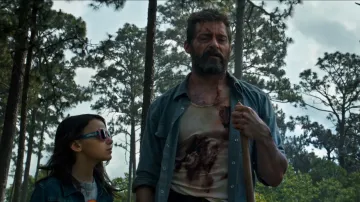
In the real world, people die, and no self-promoting asshole in a fucking leotard can stop this.
If you were to go back to the year 2000, when the first X-Men movie came out, and tell me that one of the best character studies I would ever see would be about Wolverine, I would have laughed in your face. Since then, we’ve had movies like The Dark Knight and Iron Man 3 that have brought their lead characters and the genre to new levels of depth. These paved the way for Logan, a deep and moving story about the complex character of Logan, better known as the Wolverine. Directed by James Mangold (Walk the Line, Girl Interrupted) and starring Hugh Jackman, Dafne Keen, and Patrick Stewart, Logan is more of a drama than a superhero film, although it will satisfy both audiences. It sets a new standard of writing for the superhero genre, and I’m excited to see what films follow in its wake.
The plot is set in the future, 2029, when most superpowered mutants have been hunted down and killed off and the rest remain in hiding. Logan’s superhuman healing ability has greatly slowed his aging (he was born in 1886), but he’s slowing down due to poisoning from the metal grafted to his skeleton fifty or so years before this. He’s settled down into a quiet life as a limo driver and prefers to stay out of the action. His life is uprooted when he meets his biological daughter, Laura. Logan, his aging mentor Xavier, and Laura set out to find a safe haven for Laura where she can grow up without fear of being hunted and killed, while trying to avoid a military task force hunting Laura.
Bad shit happens to people I care about! You understand me?
The plot is gripping and entertaining, but it’s the characters that really make Logan great. Every major character is deep and complex, and the dialogue is natural and well-written. Logan struggles with his emotions; Xavier struggles with his mortality; Laura struggles with her purpose in life. Even the villains are fully fleshed out and have reasonable motivations. The relationships between the characters are touching and realistic. There are no lazy bits of writing or contrived plot devices here. Also, all three principle actors put on amazing performances, bringing these characters to life in a way I’ve rarely seen in superhero films.
R-rated movies aren’t always good business for studios. Most films are PG-13, and PG-13 films pull in about twice as much money a year as R-rated films. Superhero films in particular draw in a lot of the under-18 crowd, so an R rating can cripple them in the box office. Director James Mangold fought for and won his case for an R rating for Logan, which allowed him to make the film as bleak as it was. (Though this film came out after the R-rated Deadpool became a box office hit, Mangold had convinced the studio before that.) There’s no way this story could have been told with a PG-13 rating—at least, not with the same impact. Mangold later said of the film’s rating: “[The studio] suddenly let go of the expectation that this film is going to play for children, and when they let go of that, you are free in a myriad of ways. The scenes can be longer. Ideas being explored in dialogue or otherwise can be more sophisticated. Storytelling pace can be more poetic, and less built like attention-span-deficit theater.” And it worked. The screenplay was nominated for two Academy awards. It usurped The Dark Knight on Rotten Tomatoes as the highest-rated superhero film of all time. And the film earned back over six times its production budget of 97 million.
I was not prepared for how sad this film is. The original trailer for the film was set to Johnny Cash’s rendition of “Hurt,” and the song is perfect. There’s one line that sums up what’s happening with Logan: “Everyone I know goes away in the end.” Over his long and dangerous life, he’s watched everyone he cared about die or walk away, and at this point, his figurative heart is just a mass of scar tissue. He wants to care, but he knows it’s ultimately futile and will end in heartbreak. He struggles with how much to care about others, and the inner turmoil is immense. The finale of the film is one of the most emotional I’ve seen in any film, and transcends any trappings of the superhero genre.
Should I Watch Logan?
Logan will appeal just as much to people who like dramas and character studies as it does to fans of the superhero genre. The best comparison I can think of is to Clint Eastwood’s 1992 Western, Unforgiven. It does help to have some knowledge of the characters and their situations beforehand, but it’s not necessary to have followed the X-Men franchise to enjoy this movie. The violence in the movie is brutal, earning the movie its R rating, so bear that in mind. I’m confident, though, that Logan will be remembered as one of the best-written superhero movies of all time. It’s worth checking out, whether you’re a big superhero fan or not.
Movies Like Logan
- Iron Man 3 (2013) - If you want another reflective character study about a deeply flawed superhero, Iron Man 3 is your best bet. Tony Stark spends most of the movie out of his high-tech suit, dealing with the weight of his actions as much as the villain’s evil deeds. The villain is also given some solid character development and a reason for doing what he’s doing. Iron Man 3 stands with Logan as a well-written superhero film that focuses on the characters more than the action.
- Unforgiven (1992) - Clint Eastwood’s modern Western turns the old classic Western formula on its head, showing an aging cowboy dealing with the weight of his life of killing. Logan feels a lot like a dark Western, and Hugh Jackman has said that William Munny in Unforgiven was one of his biggest inspirations for this version of Logan. Comparing a Western to a superhero film may seem odd, but the two are very similar.
- 3:10 to Yuma (2007) - Also directed by Mangold, 3:10 to Yuma is a modern Western that shows the genre’s inspiration for Logan. The tone is hard-edged, but not bleak, focusing instead on duty, morality, and survival. Just like Logan, though, the film takes its time and lingers on scenes for emotional effect. Both have the same quiet, rugged emotion that hits hard.
Academy Awards
Nomination: Best Adapted Screenplay (Scott Frank, James Mangold, Michael Green)
- Runtime: 2:21
- Director: James Mangold
- Year: 2017
- Genres: drama, superhero
- Rating: R
About Brandon
My name is Brandon, and I love movies. Not bad ones, though—just the good ones. I’m curating and reviewing a list of classic, essential-viewing, or just plain good movies from all decades, and I've been reviewing them since 2016. I also co-host Peculiar Picture Show, a podcast about movies and mental health and write about Dungeons & Dragons options, builds, and optimization.
More in James Mangold
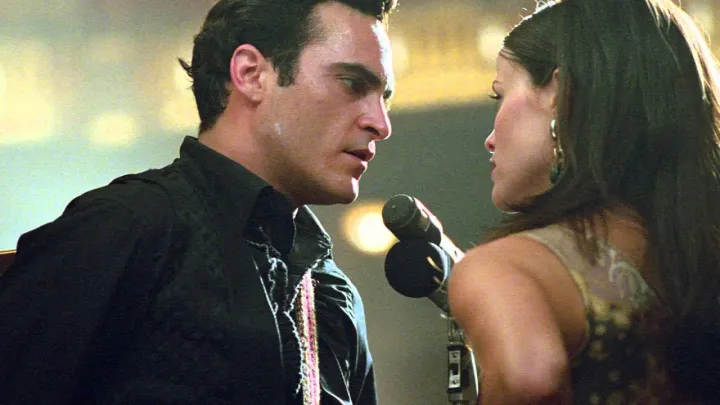
Walk the Line: This Early Musical Biopic is Still One of the Best
2005
drama, music, romance
More in 2010s
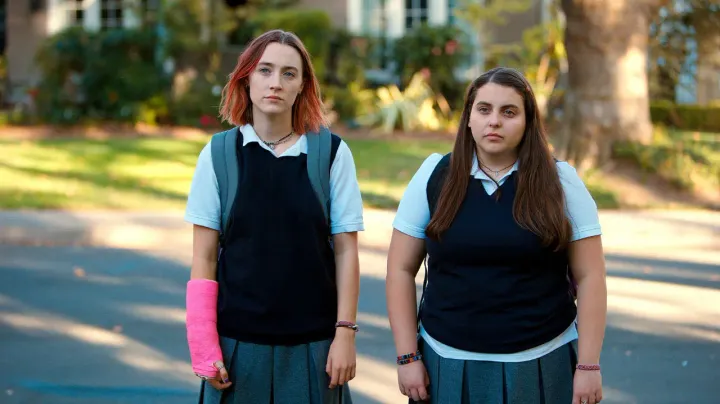
Lady Bird: The Essential Millennial Coming-of-Age Story
2017
comedy, drama, indie, teen
I, Tonya: Breaking the Knees of Boring Biopics
2017
biopic, comedy, drama, indie
Sorry to Bother You: Millennials Air Their Workplace Grievances
2018
comedy, indie
More in drama
American Hustle: Style, Scams, and Stellar Performances
2013
crime, drama, indie

Once Upon a Time in America: A Sprawling American Immigrant Story
1984
crime, drama, epic
Parasite: Class Warfare and Inequality in South Korea
2019
drama, thriller
More in superhero
V for Vendetta: A Morality Tale About Fascism
2005
action, superhero, thriller
Guardians of the Galaxy: A True Underdog Story
2014
comedy, superhero
Iron Man: Robert Downey, Jr. Builds the Marvel Cinematic Universe
2008
action, superhero