Network: Still Mad As Hell, Still Relevant
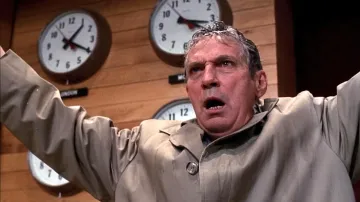
I want you to go to the window, open it, stick your head out and yell: ‘I’m as mad as hell, and I’m not going to take this anymore!’
It’s hilarious and a bit eerie when a satire becomes so close to reality that it seems like a documentary, but that’s exactly what happened with 1976’s movie Network. Directed by Sidney Lumet (12 Angry Men, Dog Day Afternoon) and starring Faye Dunaway, William Holden, and Peter Finch in what may be the best performances of their careers, this film shines a light not just on the dark side of the television industry, but of the American psyche as well. Television executives (as well as radio hosts, YouTube celebrities, and many others) will air anything that gets ratings, and Americans will put up with an alarming amount of craziness to hear what they want to hear. This film pokes some fun at testing those boundaries, but the result is uncomfortably close to what we deal with in media (and politics) today. This film is biting, hilarious, and more relevant now than ever.
The film opens with television executive Max Schumacher breaking the news to television host and long-time friend Howard Beale that he’s being let go in two weeks due to poor ratings. In his next live news segment, he announces that he will kill himself live on the air, and is wrestled away from his desk on live television. He’s given one more shot to apologize and make things right, and instead goes on a tirade about how everything is bullshit and he can’t take it anymore because he’s all out of bullshit. He’s retired early—until the ratings come in. Beale is a surprise nationwide hit. He’s allowed to continue spouting his vitriol and eventually gets his own show out of it. He spews his angry rhetoric and riles people up with the fervor of a televangelist. But how far is too far? Where will the network draw the line on someone as crazy as Howard Beale?
We’re not a respectable network. We’re a whorehouse network, and we have to take whatever we can get.
The script and dialogue are brilliant. There are so many amazing lines in this movie that I really struggled to pick just two for this review. The story was originally written to be so outlandish that the whole thing seemed ridiculous in order to shine some light on the direction the television industry was heading, but it did nothing to slow the industry’s descent into madness. Howard Beale gave a voice to people’s fears and fiercely rebuked anyone who would not do similar, and for that, they would follow him to any depths of insanity. This idea has since dominated some large news networks, but has spread to other mediums as well. We have YouTube personalities faking school shootings to get views. Reality shows recorded and televised a man dumping his fiance for someone else. And, yes, American politics have also been affected, but I won’t say any more than that.
As relevant and scary as the implications may be, this is a very funny movie. When Beale learns he’s going to lose his job in the beginning of the movie, he tells his friend that he may as well kill himself live on the air. This immediately turns into a lively discussion of the ratings of said suicide. The network forms a partnership with a political terrorist group and soon finds themselves literally negotiating with terrorists over a distribution contract. I won’t spoil it, but the ending is equal parts darkly funny and horrifying. If you like dark comedies, they don’t get much darker and funnier than this.
Should I Watch Network?
I’ll admit, the concept of a movie about a television network in the 70s didn’t sound all that interesting to me until I watched Network. This is brilliant, funny, and extremely relevant today—it has aged very well. Truly understanding it means understanding it as social satire, so, between that and the language, kids are out and teens may not get it either. But for adults shocked by where the world is going, or anyone sick of sensationalized news, this is the comedy we all need.
Movies Like Network
- Nightcrawler (2014) - This modern dark satire is a close spiritual successor to Network, showing a freelance cameraman who seeks out “graphic exclusive” footage designed to make audiences angry, increasing ratings. Network shined a light on sensationalized news, and Nightcrawler shows that its ideas are still very relevant today: anger-inducing clickbait news has been a problem for a long time.
- The King of Comedy (1982) - Famously the inspiration for (and better version of) Joker, The King of Comedy shows fame as an addiction. The media feeds that addiction to cash in on ratings, and the audience feeds into the media machine and enables exploitation. The King of Comedy takes the problem of Network and frames it as a larger societal problem, showing that we’re all complicent.
- The Truman Show (1998) - One man’s whole life is broadcast for the world to see, and everyone knows about it but him. This is a light comedy, but it shows the dark side of society’s fascination with voyeurism. The upbeat comedic tone gives us more sympathy for the main character, making this an excellent companion to other commentaries on exploitative media.
Academy Awards
Winner: Best Actor in a Leading Role (Peter Finch), Best Actress in a Leading Role (Faye Dunaway), Best Actress in a Supporting Role (Beatrice Straight), Best Writing, Screenplay Written Directly for the Screen (Paddy Chayefsky)
Nominee: Best Picture (Howard Gottfried), Best Actor in a Leading Role (William Holden), Best Actor in a Supporting Role (Ned Beatty), Best Director (Sidney Lumet), Best Cinematography (Owen Roizman), Best Film Editing (Alan Heim)
- Runtime: 2:01
- Director: Sidney Lumet
- Year: 1976
- Genres: drama
- Rating: R

About Brandon
My name is Brandon, and I love movies. Not bad ones, though—just the good ones. I’m curating and reviewing a list of classic, essential-viewing, or just plain good movies from all decades, and I've been reviewing them since 2016. I also co-host Peculiar Picture Show, a podcast about movies and mental health and write about Dungeons & Dragons options, builds, and optimization.
More in Sidney Lumet
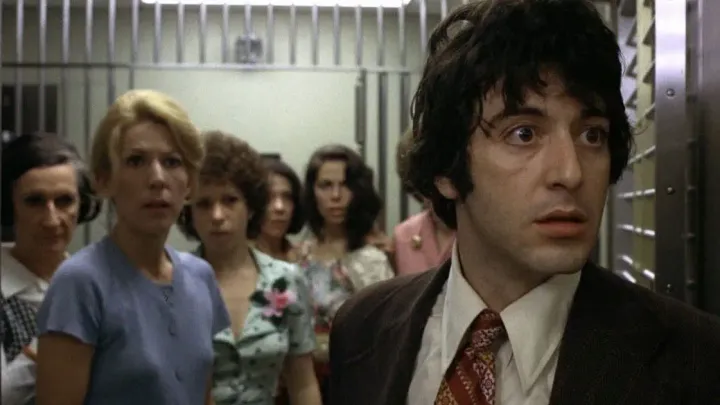
Dog Day Afternoon: One Non-Sequitur After Another
1975
crime, drama, LGBTQ
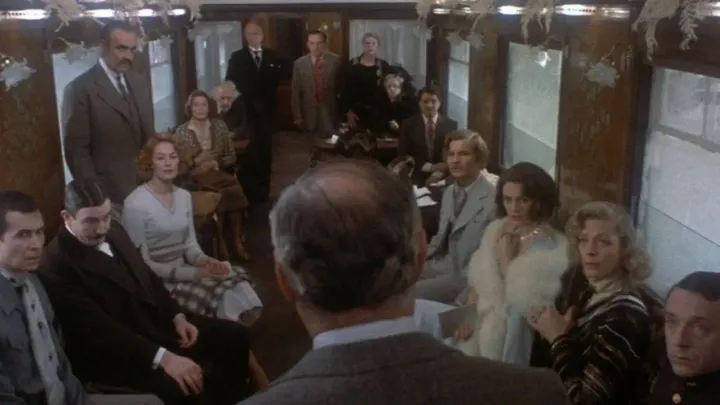
Murder on the Orient Express: A Classic Murder Mystery on a Train
1974
mystery
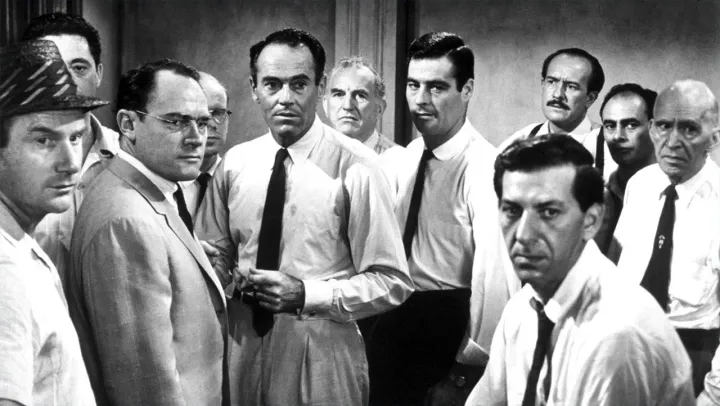
12 Angry Men: A Masterclass in Justice and Humanity
1957
drama
More in 1970s

Carrie: The Discomfort of the Teenage Years, the Horror of Womanhood
1976
horror, teen, thriller
The Godfather: The Prototype for the Crime Genre
1972
crime
The Deer Hunter: What War Does to a Man
1978
drama, war
More in drama
The Breakfast Club: Teens United Under the Tyranny of Adults
1985
comedy, drama, teen
Secretary: No Shades of Gray In This BDSM Movie
2002
comedy, drama, indie, romance

Gone With the Wind: The Original Epic Wartime Romance Film
1939
drama, epic, historical, romance