The Deer Hunter: What War Does to a Man
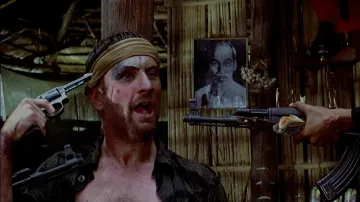
You have to think about one shot. One shot is what it’s all about. A deer’s gotta be taken with one shot.
(This review has some spoiler-free discussion of the ending.)
Every once in awhile, there’s a movie that has a strong, profound emotional impact on me, and I can’t articulate exactly why. Lost in Translation and Stand By Me are on that list—and, now, The Deer Hunter is, too. Directed by Michael Cimino (Heaven’s Gate, Year of the Dragon) and starring Robert De Niro, Christopher Walken, John Savage, and Meryl Streep, this is a deeply emotional drama set during the Vietnam War. While most war movies, like Platoon and Full Metal Jacket, focus on the war, less than 40 minutes of this 182-minute movie are set in the war. Most of the rest of the movie takes place before and after the soldiers go to war and shows the devastating changes it makes on them. It’s personal in a way that no other war movie is, and it’s a fantastic drama in its own right.
The film opens in a small town in Pennsylvania, where we watch steel mill workers live their everyday lives, culminating in a marriage and hunting trip—very ordinary things for these people. The film then cuts to the war where we catch a glimpse of the horrors the three soldiers from this small town must endure. It affects each of them differently, and not in a good way. There’s a very abrupt scene change and we wind up back in the small Pennsylvania town to see how everyday life has changed for the soldiers, and it’s in this “after” act that the most compelling parts of the story play out.
I feel a lot of distance, and I feel far away.
Though the film is brilliant, it gets mixed reviews due to the amount of time it spends on setting and character development. There’s about 70 minutes up-front where we just see the characters interacting, laughing, and living, including an extended wedding scene. It doesn’t really move the plot forward—but it does make these characters more real and sympathetic than most other war movies, and that’s all before they go to war. There’s a real innocence about the characters in the first act of this movie, and it’s not wasted. It’s a sharp contrast to the last act, in the same setting, where we see what the war has done to the characters. Yes, the first act is slow, but without it, the closing act would not have the emotional power it has. It’s that raw emotional power that’s the film’s greatest strength. (All the actors put on amazing performances, by the way.)
The most famous—or infamous—scene in the film is the Russian roulette scene. All three principal actors were very capable, but that didn’t stop director Michael Cimino from making things very real for them. It was filmed on location in an open environment. When Steven yells, “Michael, there’s rats in here, Michael!” he’s not talking to the character Michael—he’s talking to the director Michael, as he was really afraid of the rats that had infested the river. The area was also swarming with mosquitos. When the prisoners got slapped during the game, none of that was faked—they really got slapped, and they were really agitated while filming. It’s a powerful scene, although it brought some criticism to the film because there’s no evidence that this actually happened in the Vietnam War. Cimino claimed that he read about it in an article, although he never said which article. To the contrary, Christopher Walken explained the scene as an allegory for the pressures veterans faced in war.
There’s a scene later in the movie where a woman is crying. When asked why, she says she doesn’t know why. That’s a pretty good description of how this movie feels. It drew out some strong emotions in me, but I had trouble articulating exactly what emotions they were. Without giving away why, I’ll say that the film ends with several characters singing, “God Bless America.” Some see this as an in-your-face comment on the sacrifice of soldiers, but I see it differently. I see it as a group of people who don’t know how to explain their feelings or the world around them. They feel utterly helpless in the face of events and forces they can’t understand or control, and their only solace is to fall back on tradition and patriotism, which they use to try to add some value to the destruction they see. They want to know that there is justice in the world and attempt to create some. This does not make the ending happier—if anything, with this realization, it makes the ending bleaker and more hopeless. But this is handled with the same subtlety of the rest of the movie.
Should I Watch The Deer Hunter?
The Deer Hunter is a brilliant drama and war movie that doesn’t get political about war—it focuses on the human element. It’s subtle in just about every way, and it can be easy to miss some of the brilliance here. But even if you miss the meaning, you will not miss the feeling. This is a deeply emotional and moving drama. It gets off to a slow start, but the payoff is worth it. This film is mature in its themes, but offers a uniquely personal perspective on the impact of war, and it’s a masterpiece that deserves a spot on the watch list of any movie buff.
Movies Like The Deer Hunter
- Apocalypse Now (1979) - This film shows the darkness of humanity that’s drawn out by war, showing both the casual violence of active soldiers and the complete deteriorization of a former soldier who’s been there too long. Rather than a long story showing the after effects, it’s a descent into madness, and we see a monster who’s accomplished what many of the active soldiers desire. It’s more of an allegory for war, but a fantastic companion to The Deer Hunter.
- Das Boot (1981) - This German film about Nazi soldiers aboard a U-boat acknowledges the dark history of that time and lets us know that these are not admirable soldiers, and they could die at any time. Young men are pumped full of nationalist propaganda, and their humanity is slowly stripped away from them as the harsh realities of living aboard an early submarine take their toll. There’s no heroism here—don’t expect redemption.
- Grave of the Fireflies (1988) - This Japanese film about two orphaned children in World War II Japan captures, in heartbreaking detail, the human cost of war for the civilians. Don’t let the anime medium fool you—this film is emotionally brutal, although completely honest. Bring a box of tissues—you’ll need it.
Academy Awards
Winner: Best Picture (Barry Spikings, Michael Deeley, Michael Cimino, John Peverall), Best Actor in a Supporting Role (Christopher Walken), Best Director (Michael Cimino), Best Sound (Richard Portman, William L. McCaughey, Aaron Rochin, C. Darin Knight), Best Film Editing (Peter Zinner)
Nominee: Best Actor in a Leading Role (Robert De Niro), Best Actress in a Supporting Role (Meryl Streep), Best Writing - Screenplay Written Directly for the Screen (Michael Cimino, Deric Washburn Louis Garfinkle, Quinn K. Redeker), Best Cinematography (Vilmos Zsigmond)
- Runtime: 3:02
- Director: Michael Cimino
- Year: 1978
- Genres: drama, war
- Rating: R

About Brandon
My name is Brandon, and I love movies. Not bad ones, though—just the good ones. I’m curating and reviewing a list of classic, essential-viewing, or just plain good movies from all decades, and I've been reviewing them since 2016. I also co-host Peculiar Picture Show, a podcast about movies and mental health and write about Dungeons & Dragons options, builds, and optimization.
More in 1970s
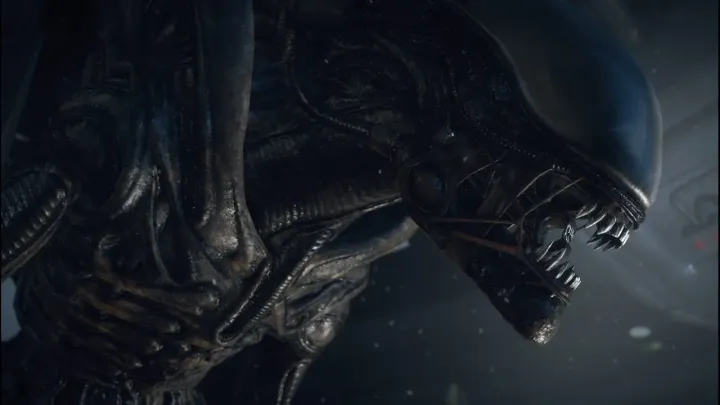
Alien: Thrills and Kills in Space
1979
horror, sci-fi, thriller
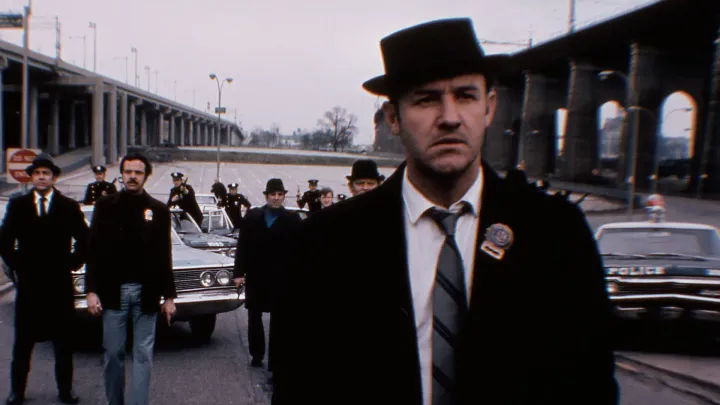
The French Connection: Gritty Realism in the Police Procedural Genre
1971
crime, thriller
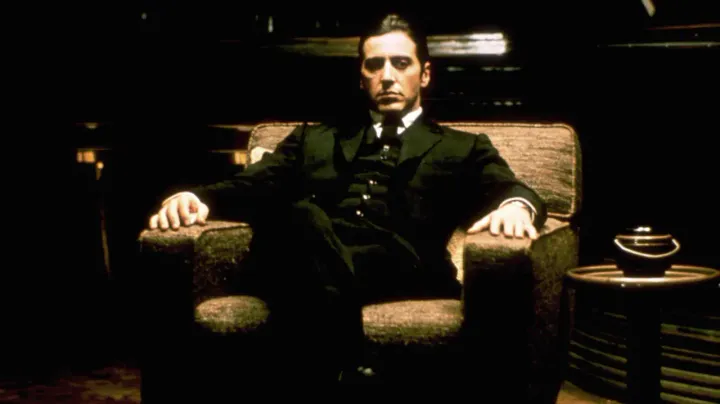
The Godfather: Part II: The Godfather of Sequels
1974
crime
More in drama
A Streetcar Named Desire: Brando and Leigh at Their Best
1951
drama
Django Unchained: Tarantino's Brutal Historical Revenge Story
2012
drama, historical, western
Moonrise Kingdom: A Stylized Portrayal of Young Love
2012
adventure, comedy, drama, romance
More in war
Inglourious Basterds: A Wildly Entertaining Historical Revenge Film
2009
adventure, historical, war
1986
war
Full Metal Jacket: Kubrick Gets Real About the Harsh Reality of War
1987
war