The Irishman: The End of a Career Criminal’s Life
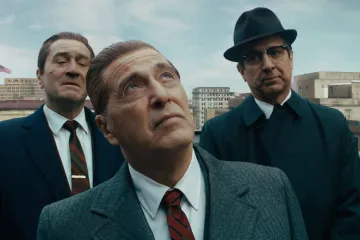
Nowadays, young people, they don’t know who Jimmy Hoffa was. They don’t have a clue. I mean, maybe they know that he disappeared or something, but that’s about it. But back then, there wasn’t nobody in this country who didn’t know who Jimmy Hoffa was.
The crime genre is a prolific one, with many masterpieces already on my list. Among crime film directors, Martin Scorsese (Taxi Driver, Goodfellas) is royalty. So when it was announced that Scorsese, now nearing the end of his career, would be making another crime epic with acting legends Al Pacino, Robert De Niro, and Joe Pesci (who came out of retirement for this film), film buffs collectively lost their shit. With Scorsese, Pacino, De Niro, and Pesci having so many great films to their names, but nearing the end of their careers (and, let’s face it, nearing the end of their lives), this will probably be the last time we see this director and these actors put out a film like this. The Irishman is a fond farewell to those great crime films we grew up with and loved, and it’s fitting that it deals with aging career criminals coming to terms with their lives of crime and violence. We’ve seen great human depictions of criminals, most notably in The Godfather and its sequels, but there hasn’t been an in-depth look at what happens when these criminals start aging out of the systems they created. That’s a gap The Irishman fills, and it does a brilliant job of it.
The plot, allegedly based on a true story (from the book I Heard You Paint Houses by Charles Brandt), focuses on Frank Sheeran, an out-of-work blue collar worker who starts dabbling in small crimes to make some money on the side. When he gets in with the Buffalino crime family, he’s connected with Jimmy Hoffa, the president of a union that championed blue collar workers like Frank, and he quickly establishes himself as Hoffa’s right-hand man. Sheeran carries out Hoffa’s dirty work, from assassinations to robbery, and finds himself caught in the middle of all of Hoffa’s problems. Hoffa struggles to maintain control of the powerful empire he created while other players try to take the organization in new directions, culminating in one of the greatest real-life crime mysteries of the 20th Century: the sudden disappearance of Jimmy Hoffa.
Well, glad to meet you, too, even if it’s over the phone. I heard you paint houses.
While the portrayal of criminal actions in The Irishman doesn’t pull any punches, the most striking parts of the film are what happens between hits. We see the moment Sheeran’s young daughter realizes what kind of man he is, and we see their strained relationship struggle for the rest of Sheeran’s life. We see Hoffa deal with the Existential crisis that everything he created may be taken from him before he’s ready to let it go. Scorsese and the film’s stars have all undoubtedly had to deal with the unwanted effects of aging and seeing their lives slip away from them, and we see all of these characters deal with the regrets and fears of aging out of a life of crime in a way that’s both poignant and painfully real.
The film is grand in scope, covering Frank Sheeran’s life as a young delivery driver and father to his final days in a retirement community. Other films, like The Curious Case of Benjamin Button and even some of the Harry Potter films, have used digital effects to age their actors, but The Irishman does it on an unprecedented level. Scorsese was determined to tell this story, spanning multiple decades, without stand-ins or green screens, so the digital team at Industrial Light and Magic produced some very realistic effects to make the actors appear younger (and older). A posture coach was brought in to make sure the actors were moving in ways true to the age they were supposed to be in that scene, even articulating differences of a few years in the characters’ lives. Effects like this are best when they’re invisible, and that’s exactly what these subtle but substantial effects achieve; between the digital transformations and amazing performances, it really feels like this film spans decades.
Though the film starts when Frank Sheeran is relatively young, the story is really a retrospective of his life, including successes and regrets. It’s hard not to compare this film to another heavy-hitter crime-drama, The Godfather, so I’ll do exactly that. The Godfather was perhaps the first truly human crime film, but a large part of it was world-building, showing the small details of this world of professional crime and how normal it is for the Corleone family. The Irishman builds on this by using our familiarity with crime families to skip over bits of world-building like that to focus deeply on the long-term effects of this life on these characters, and their families. The pace is slower and more contemplative, although not without its action sequences, and the drama stirs emotion by showing us not just how normal this criminal life is, but also how it’s destroying these characters, leaving them to wonder at the end of their lives if it was all worth it. The film doesn’t try to answer that question, but the beauty is in the asking.
Should I Watch The Irishman?
I don’t know what gems the crime genre will hold in the next decade or two, but The Irishman sure feels like the end of an era. Scorsese, De Niro, Pacino, and Pesci are responsible for some of my favorite films through the years, and I couldn’t have asked for a better send-off, one last hurrah that hits on the best parts of all of their careers. If you grew up with classics like The Godfather, Mean Streets, and Goodfellas, The Irishman is a film that grew up to give us a good idea of where all these classic characters are heading after the film stops rolling. If you’re a fan of any of the major crime-drama classics, this is absolutely an essential film.
Movies Like The Irishman
- Once Upon a Time in America (1984) - Showing close to an entire lifetime of immigrants who turn into career criminals, this film also shows the end of life for long-time friends who grapple with the things they have done and people they have become. The story is told out of sequence, so it’s a life retrospective rather than a focus on the final years, but we see similar scenes play out.
- The Godfather (1972) - Starting with Vito Corleone and passing the torch to Michael is like a modern tale of a long-lost prince returning to take the throne, and shows the intricacy of this criminal empire. Little time is spent on Vito (although Marlon Brado gives an unforgettable performance), but showing the intergenerational nature of the life of crime is interesting.
Academy Awards
Nominee: Best Picture, Best Director (Martin Scorsese), Best Supporting Actor (Al Pacino), Best Supporting Actor (Joe Pesci), Best Adapted Screenplay (Steven Zaillian), Best Cinematography (Rodrigo Prieto), Best Production Design, Best Costume Design, Best Film Editing, Best Visual Effects
- Runtime: 3:29
- Director: Martin Scorsese
- Year: 2019
- Genres: biopic, crime, drama
- Rating: R

About Brandon
My name is Brandon, and I love movies. Not bad ones, though—just the good ones. I’m curating and reviewing a list of classic, essential-viewing, or just plain good movies from all decades, and I've been reviewing them since 2016. I also co-host Peculiar Picture Show, a podcast about movies and mental health and write about Dungeons & Dragons options, builds, and optimization.
More in Martin Scorsese
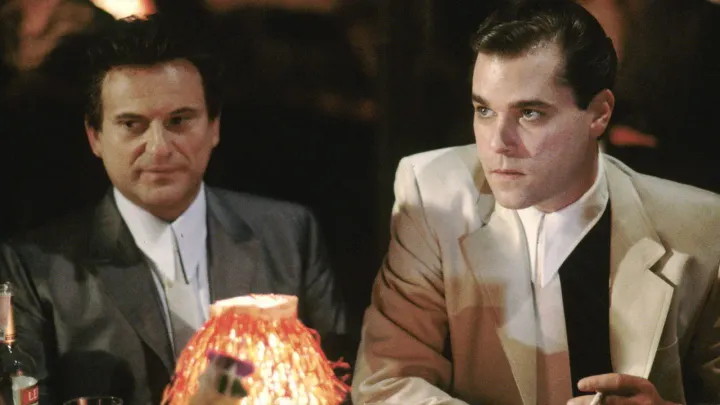
Goodfellas: The Most Watchable Crime Film
1990
biopic, crime
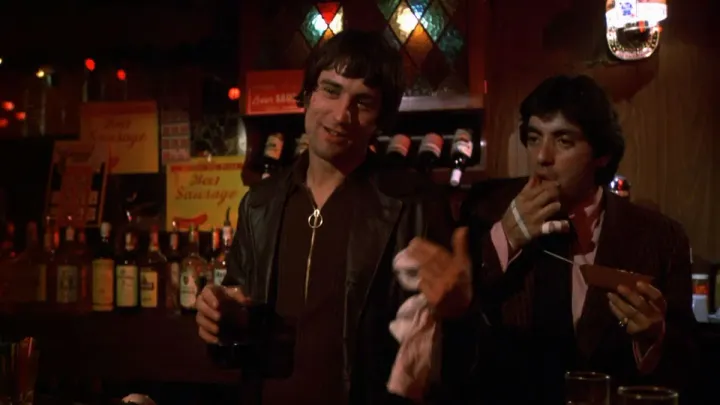
Mean Streets: Gritty Realism in the Criminal World of New York
1973
crime, indie
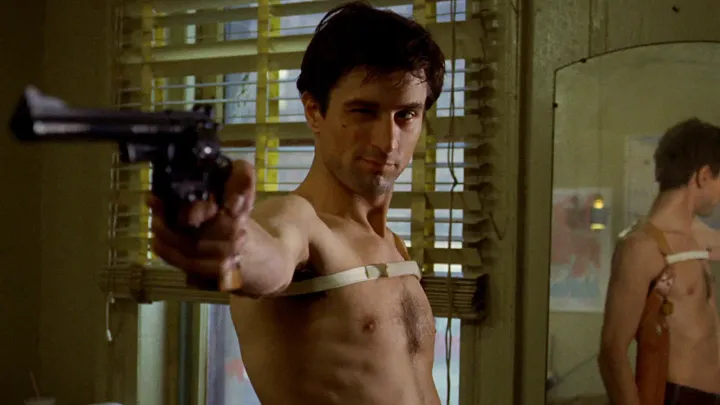
Taxi Driver: A Startling Look at PTSD
1976
crime, drama
More in 2010s
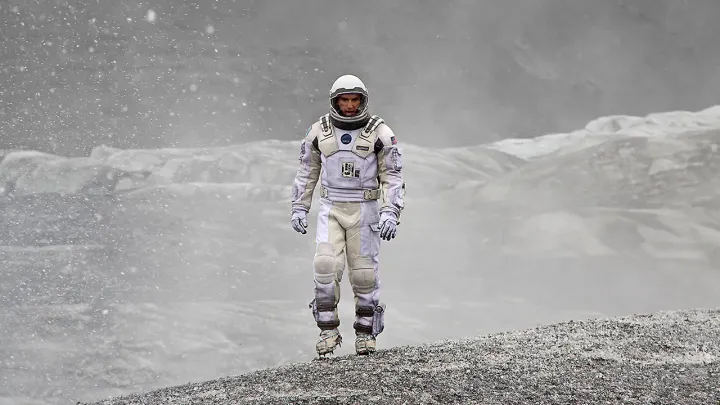
Interstellar: A Modern Take on Classic Sci-Fi
2014
sci-fi
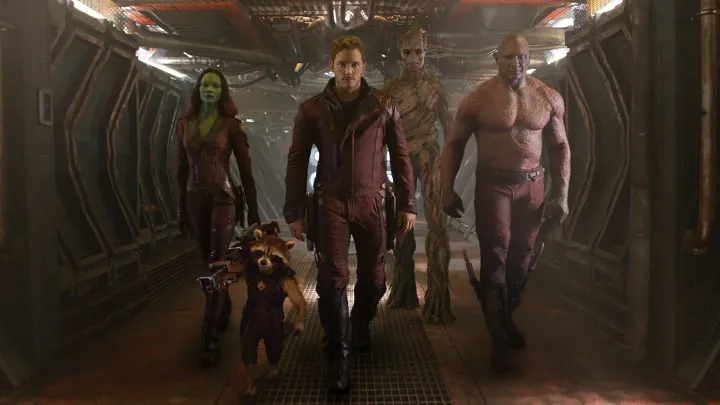
Guardians of the Galaxy: A True Underdog Story
2014
comedy, superhero
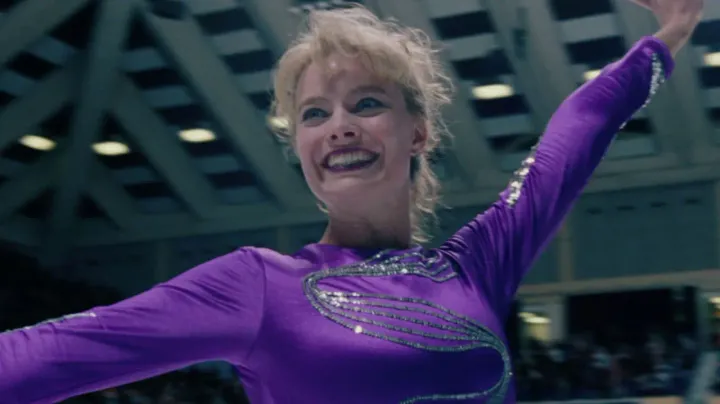
I, Tonya: Breaking the Knees of Boring Biopics
2017
biopic, comedy, drama, indie
More in biopic
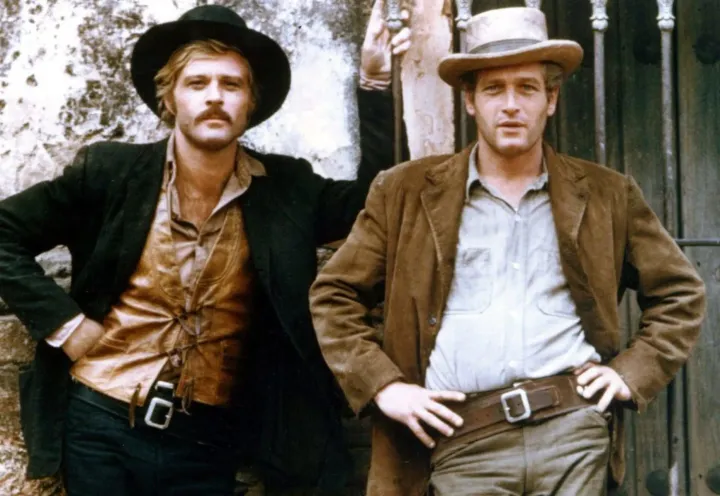
Butch Cassidy and the Sundance Kid: Sunset on the Classic Western
1969
biopic, western
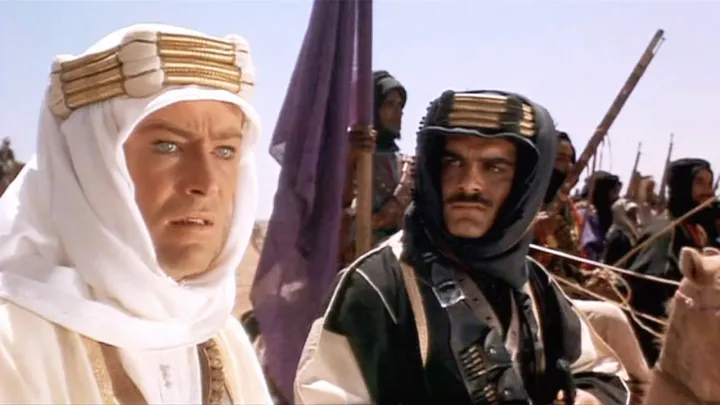
Lawrence of Arabia: The Big, Epic War Film Everyone Should See
1962
biopic, epic, historical, war
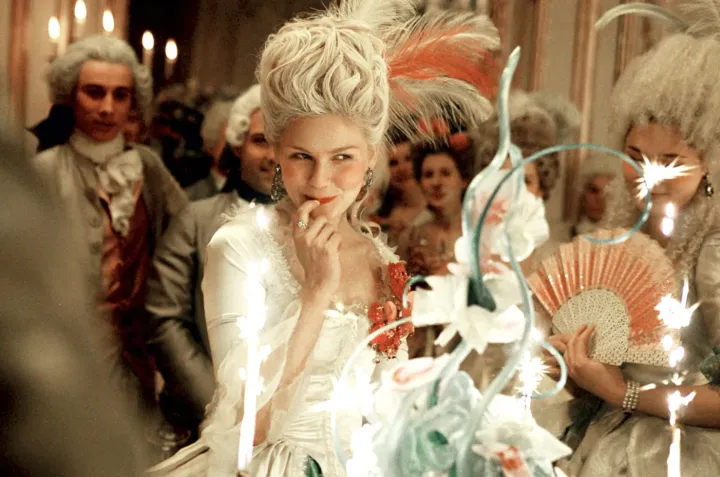
Marie Antoinette: An Emotionally Rich Look at a Relatable Historical Queen
2006
biopic, drama, historical, indie
More in crime
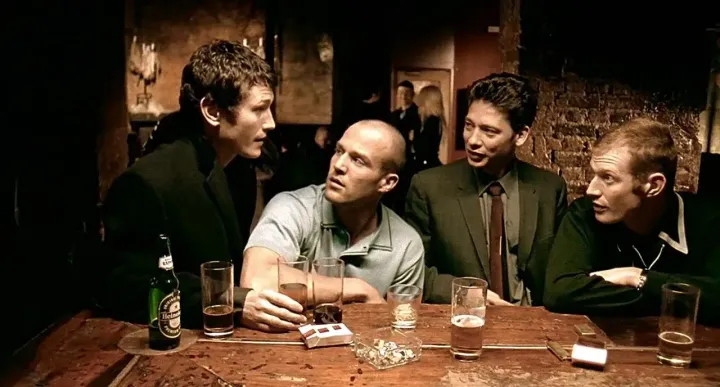
Lock, Stock, and Two Smoking Barrels: There's No Honor Among These Bumbling Thieves
1998
comedy, crime, indie
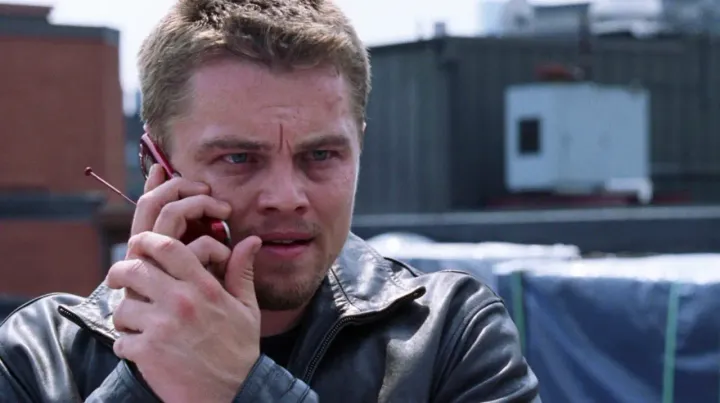
The Departed: The Best Game of Cat and Mouse in Cinema
2006
crime

Once Upon a Time in America: A Sprawling American Immigrant Story
1984
crime, drama, epic
More in drama
American Beauty: The Dark Side of the American Dream
1999
drama
The Apartment: A Classic Romantic Comedy Balancing Humor and Depression
1960
comedy, drama, romance
Arrival: Language, Time, and the Power of Under­standing
2016
drama, mystery, sci-fi