The Outlaw Josey Wales: An Outlaw Discovers the Horrors of War
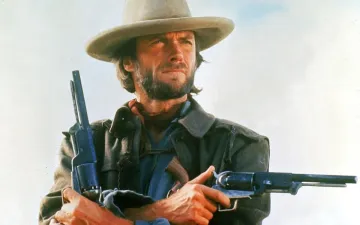
Now remember, when things look bad and it looks like you’re not gonna make it, then you gotta get mean. I mean plumb, mad-dog mean. ‘Cause if you lose your head and you give up, then you neither live nor win. That’s just the way it is.
The Western is a genre as old as film, and for a long time, it remained the same, with clearly defined good guys and bad guys who fought for good and evil. The 60s brought about a revolution in Westerns by introducing antiheroes and sympathetic villains, as in Sergio Leone’s “spaghetti” Westerns. By the 70s, the classic Western was mostly dead and the genre was ready to look at some new, interesting characters. Directed by Clint Eastwood (Gran Torino, Million Dollar Baby) and starring Clint Eastwood, Chief Dan George, and Sondra Locke, The Outlaw Josey Wales gives us one such interesting character: an outlaw who hates a corrupt government and fights on the wrong side of history. He’s still a sympathetic and admirable character, but had this plot been used 20 years prior, he would have been the villain. The film also featured sympathetic and respectful portrayals of Native Americans—something very rare for Westerns of the time (and something I very much appreciated, since I’m a Native American). This is far from the classic Westerns, but it’s one of the best Westerns that I’ve seen.
The plot follows Josey Wales, initially a man working on a farm in Missouri with his family until Union soldiers show up, kill his family, and burn his farm to the ground. Wales signs up for the Confederate army just before the Union wins the war. He tries to rescue some of his fellow soldiers as the Union army begins executing them, but is unsuccessful. The Union army then puts a big bounty on his head and Josey finds himself on the run from bounty hunters. As he runs, he finds that many people are taking advantage of the frail state of post-war Confederate states and he steps in to protect people when needed—which, of course, makes him more of a wanted man. As Josey struggles with what kind of life he wants to live, his past is always catching up with him and forcing him to turn back to violence to survive.
I notice when you get to disliking someone, they ain’t around for long neither.
The cast of characters was great in this film. Eastwood’s Josey Wales is just as great as his Man With No Name character in Sergio Leone’s trilogy. But the real star of the show was Chief Dan George as Lone Watie. He showed us a Native American whose culture had been deteriorating his whole life due to white colonization, but he handled the role with humor and charm. Due to his age (76 while filming), George frequently forgot his lines. Eventually, Eastwood pulled him aside and said, “Chief, just forget about the lines—tell me the story about the man who rode over the hill.” And that he did. George was a natural storyteller and ad-libbed most of his lines, which ended up being perfect for the film and added a lot of depth to his character and the film overall. Rarely in film is a Native American character given this much depth, and it was a fantastic dimension to this film.
Like many films in the 70s coming out of the Vietnam era, there’s a strong anti-war sentiment here. It was based on a 1972 novel with strong anti-government ideals, which the screenwriters decided to tone down. When Eastwood took over as director, he made sure to amp that back up. This is not a whitewashing of Civil War history, as in Gone With the Wind, but it doesn’t shy away from showing how awful that war—and every war—was. We’re not supposed to admire that Josey Wales fought for the Confederacy and killed Union soldiers, and the character is certainly not proud of those actions. In Josey’s own words, “I guess we all died a little in that damn war.”
The character Josey Wales has that tough cowboy thing going on, but it’s very different from the classic John Wayne cowboys for one reason: Josey doesn’t want to be the tough guy. Throughout the film, Wales yearns for a return to his simple, peaceful way of life with his family, but the war changes him and the fallout from that conflict keeps forcing him back into the outlaw role. This is not toughness for the sake of toughness, as many classic Westerns seemed to portray—the toughness shown here is not even entirely positive, as we see throughout the film that it only leads to more conflict. This was a very progressive message, particularly for its time, and it showed that Clint Eastwood was more than just the John Wayne for the next generation—he wasn’t afraid to show us characters who really struggled to do the right thing and plots where nobody was really doing the right thing.
Should I Watch The Outlaw Josey Wales?
The Outlaw Josey Wales is a great modern Western that was years ahead of its time in its portrayals of imperfect characters and Native Americans, and it makes an important statement on war, although not as direct as films like The Deer Hunter. Post-Civil War America was a rough place, and this film shows us exactly how dangerous it could be, so it’s not one for the kids. Everything’s very PG-13, though, so most teens and adults should be fine with it.
Movies Like The Outlaw Josey Wales
- Sergio Leone’s Westerns (The Good, the Bad, and the Ugly, Once Upon a Time in the West, and others) - For Westerns that threw the classic Western formula out the window, Leone’s films are a great match.
- Butch Cassidy and the Sundance Kid (1969) - This Western similarly portrays outlaws instead of lawmen, and shows us the end of the cowboy era, with two characters who are struggling to adapt to a new world. Butch Cassidy and the Sundance Kid isn’t really dark, but it is a symbolic sunset on the classic Western era.
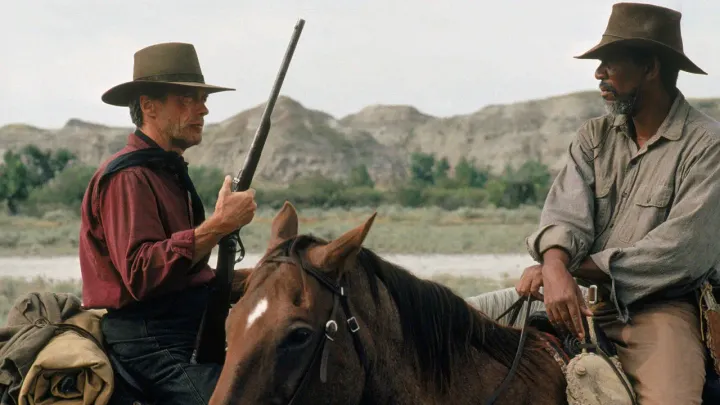
- Unforgiven (1992) - Directed by Eastwood again, this film continues the trajectory of The Outlaw Josey Wales, showing an aging cowboy grappling with all of his misdeeds over the years, becoming a worse person as the film goes on, not more heroic. It’s an outstanding Western that’s completely unhindered by a classic Western formula that was long gone by the time the film was made.
Academy Awards
Nominee: Best Music - Original Score (Jerry Fielding)
- Runtime: 2:15
- Director: Clint Eastwood
- Year: 1976
- Genres: war, western
- Rating: PG
About Brandon
My name is Brandon, and I love movies. Not bad ones, though—just the good ones. I’m curating and reviewing a list of classic, essential-viewing, or just plain good movies from all decades, and I've been reviewing them since 2016. I also co-host Peculiar Picture Show, a podcast about movies and mental health and write about Dungeons & Dragons options, builds, and optimization.
More in Clint Eastwood
More in 1970s
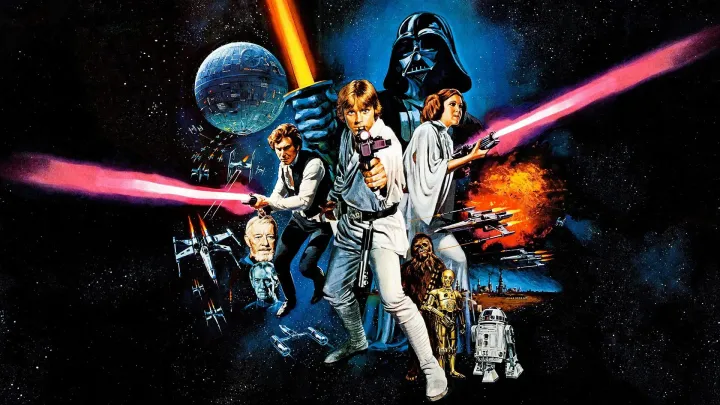
Star Wars (Original Trilogy): It's Pretty Much Required Viewing
1977-1983
adventure, fantasy, sci-fi
The Deer Hunter: What War Does to a Man
1978
drama, war
Chinatown: A Neo-Noir Film With Modern Edge and Sensibility
1974
film noir, mystery
More in war
Full Metal Jacket: Kubrick Gets Real About the Harsh Reality of War
1987
war
Apocalypse Now: War, Madness, and Moral Chaos
1979
drama, war
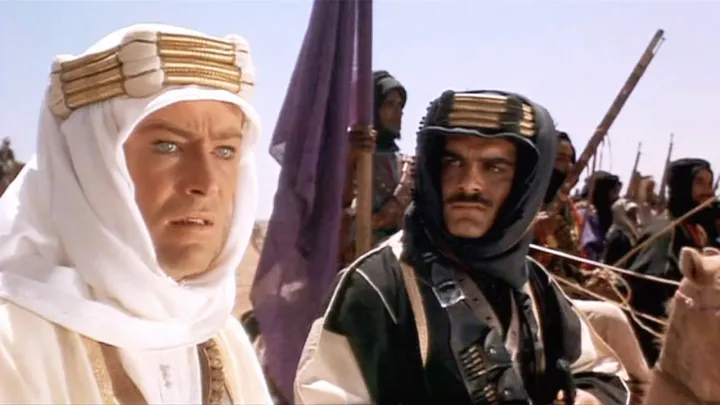
Lawrence of Arabia: The Big, Epic War Film Everyone Should See
1962
biopic, epic, historical, war
More in western
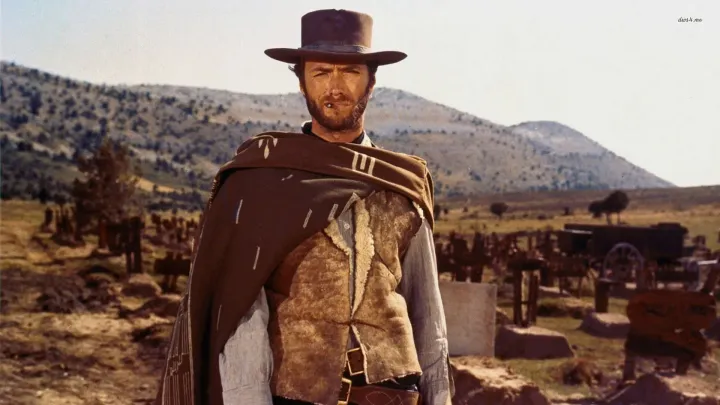
The Good, the Bad, and the Ugly: The Greatest Western Was Made in Italy??
1966
epic, western
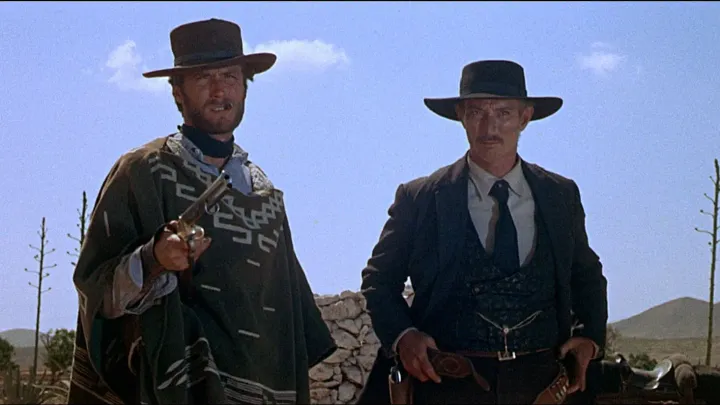
For a Few Dollars More: Leone Gives Us Another Stylish Western
1965
western
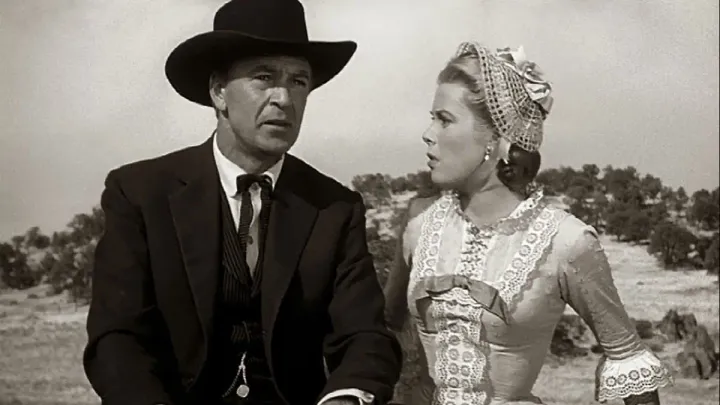
High Noon: A Western About Duty, Not Gunfights
1952
drama, western